🐈 British Shorthair

📊Overview
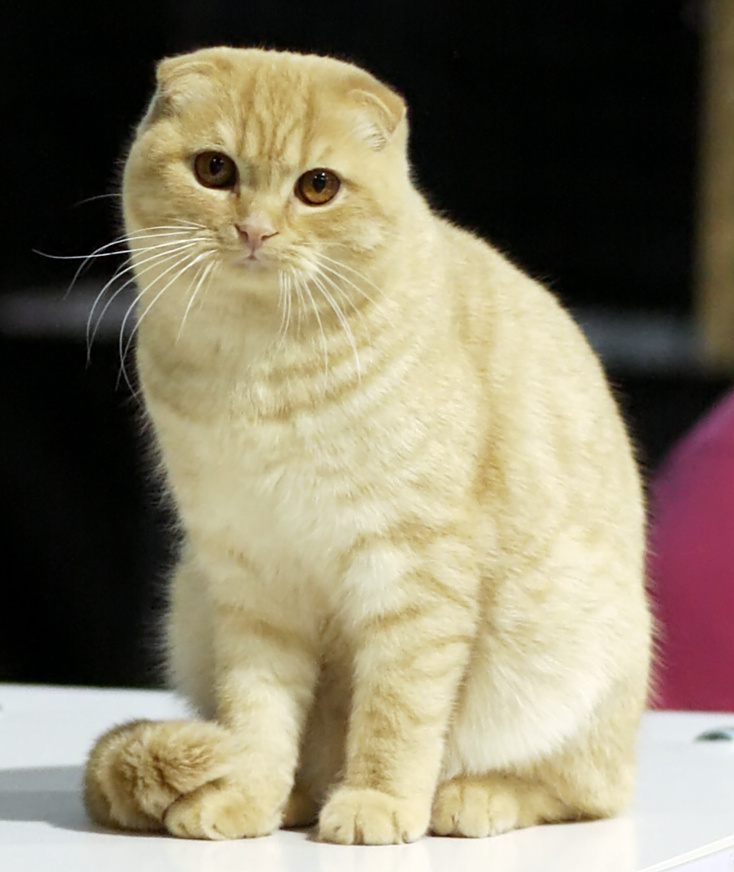
A sturdy, teddy-bear-like cat with a calm, independent and undemanding nature. It tends to prefer sitting beside you rather than being held, and its easygoing appetite makes it prone to obesity.
⚡Ownership snapshot
👍 Pros
- Calm, easygoing, and great with kids and other pets
- Low-maintenance coat needs only weekly brushing
- Independent—tolerates being left alone well
- Quiet and undemanding household companion
👎 Cons
- Strongly prone to obesity—needs portion control
- Elevated risk of hypertrophic cardiomyopathy (HCM)
- Dislikes being picked up or carried
- Reserved rather than a cuddly lap cat
🧭Temperament & needs
📈Compared with other Cats
🧠Personality & temperament
The British Shorthair is famously easygoing, dignified, and undemanding—affectionate on its own terms but not a clingy lap cat, often preferring to sit beside you rather than on you. They are calm and confident with children and other pets, tolerate being left alone well, and rarely vocalize, earning a reputation as the 'teddy bear' of the cat world. This is a placid, low-drama breed that dislikes being picked up but happily supervises the household from a comfortable perch.
📜Origin & background
The British Shorthair descends from the ordinary working cats of Roman-era and later Britain, prized for hunting and hardy constitution, then formalized as a pedigree breed in the late 1800s. After near-extinction during the World Wars, breeders revived it—crossing in Persians for substance—producing the round-faced, plush-coated cat known today.
🏃Exercise & enrichment
This is a laid-back breed with modest energy, satisfied by a couple of short daily play sessions with wand toys or puzzle feeders. Because they lean toward being couch potatoes, gentle encouragement to move—and interactive toys—matters more for weight control than for burning off excess energy.
✂️Grooming & hygiene
The dense, plush double coat is surprisingly low-maintenance—a weekly brushing keeps it healthy, increasing to twice weekly during seasonal shedding. Otherwise routine care such as nail trims, dental hygiene, and ear checks is all that's needed.
🍽️Diet & feeding
Feed a balanced, portion-controlled diet on a regular schedule, as this breed's hearty appetite and calm nature make it very prone to weight gain. Avoid free-feeding and monitor body condition closely, adjusting portions as the cat matures into its naturally stocky adult frame.
🏠Housing & environment
British Shorthairs adapt beautifully to apartment or house living and are perfectly happy as indoor cats. They appreciate a stable routine, a few cozy resting spots and a sunny window, and their independent nature means they cope with a working owner's schedule better than many breeds.
🩺Health & lifespan
British Shorthairs are generally hardy, but the breed carries an elevated risk of hypertrophic cardiomyopathy (HCM), so periodic cardiac screening is wise, and some lines can carry polycystic kidney disease (PKD). Their biggest everyday health threat is obesity, which raises the risk of diabetes, joint strain, and urinary problems. With good weight management and routine care they are long-lived, commonly reaching 12–17 years or more.
🎓Training & socialization
Moderately trainable and food-motivated, British Shorthairs respond well to gentle clicker or reward-based training for basic commands and litter habits, though they set their own pace. Respect their dislike of being carried and they'll cooperate far more willingly.
💰Cost of ownership
A pedigree kitten sits in the mid-range for purebred cats, and ongoing costs are moderate thanks to the easy-care coat. Budget for quality food, routine veterinary care, and occasional cardiac screening, but expect fewer grooming expenses than long-haired breeds.
💚Who it's good for
Busy people or first-time owners who want a placid, self-sufficient cat that tolerates alone time well.
💡Great match for
❓Frequently asked questions
Are British Shorthairs affectionate or aloof?
They're affectionate but on their own terms—loyal and content to be near you, yet they prefer companionship beside you over being held or cuddled in your lap.
Do British Shorthairs get fat easily?
Yes—their big appetite and low activity make obesity the breed's number-one health issue, so measured portions and scheduled meals rather than free-feeding are essential.
Is the British Shorthair a good breed for beginners?
Very much so—their easy coat, calm nature, independence, and tolerance of alone time make them one of the most beginner-friendly pedigree cats.
🔎People also ask
Similar pets


Similar pets from other species


Sources: American Kennel Club / breed standards · The Cat Fanciers' Association · PDSA / RSPCA pet care guides · Spruce Pets care references