🐈 Oriental Shorthair

📊Overview
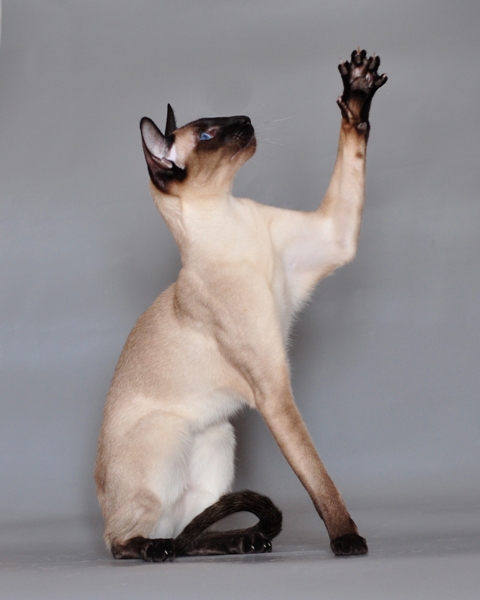
A sleek, angular cousin of the Siamese that is intensely social, talkative and attached to its people. It's extremely vocal and hates being alone, often developing separation anxiety if left on its own too long.
⚡Ownership snapshot
👍 Pros
- Deeply affectionate and bonds intensely with its person
- Highly intelligent and easy to train and play with
- Very low-maintenance, low-shedding coat
- Stunning variety of colors and patterns to choose from
👎 Cons
- Extremely vocal—loud, frequent 'conversations'
- Hates being alone; prone to separation anxiety
- Very high energy demands lots of daily interaction
- Sensitive to cold and prone to some hereditary conditions
🧭Temperament & needs
📈Compared with other Cats
🧠Personality & temperament
Oriental Shorthairs are intensely social, high-energy, and famously talkative, holding loud raspy conversations and 'commenting' on everything their people do. They bond obsessively with one favorite person, follow them everywhere, and can become genuinely distressed if left alone too long. Curious and athletic, they open cupboards, ride shoulders, and demand to be part of every household activity.
📜Origin & background
The Oriental Shorthair was developed in Britain in the 1950s-60s by crossing Siamese with other breeds to create a Siamese-type body in a huge range of colors and patterns beyond the classic pointed coat. It shares the elegant, slender build and personality of the Siamese but comes in over 300 recognized color and pattern combinations, earning the nickname 'Rainbow Cat.'
🏃Exercise & enrichment
These are among the most active cats and need substantial daily exercise—vigorous wand play, fetch, and climbing to burn off their considerable energy. Tall cat trees, wall shelves, and rotating puzzle toys are essential, as a bored Oriental will invent its own destructive entertainment.
✂️Grooming & hygiene
The Oriental Shorthair's fine, close-lying coat is very low-maintenance and needs only an occasional weekly wipe or rubber-brush to look sleek. Shedding is minimal, though like all cats they still shed and are not hypoallergenic; routine nail trims, ear cleaning, and dental care complete the easy grooming routine.
🍽️Diet & feeding
Feed a high-quality, protein-rich food to fuel their fast metabolism and lean, muscular frame, typically as two measured meals a day. Because they are slim and active they rarely tend toward obesity, but portions should still be matched to their weight and activity level with fresh water always available.
🏠Housing & environment
Orientals thrive in an interactive indoor home with plenty of vertical space—tall trees and shelves let them climb and survey their domain. They do poorly in quiet, empty houses; ideally they live with someone often home or a second cat for company, since isolation is their biggest stressor.
🩺Health & lifespan
With a typical lifespan of 12-15 years, Orientals are generally healthy but share some Siamese-line predispositions, including hypertrophic cardiomyopathy (HCM), progressive retinal atrophy, and amyloidosis affecting the liver. Their fine coat and low body fat make them sensitive to cold, and dental disease is worth monitoring. Choosing a breeder who screens for heart and eye conditions greatly improves long-term odds.
🎓Training & socialization
Exceptionally smart and eager to engage, Orientals learn fetch, tricks, and even leash-walking quickly with clicker and reward training—channel that intelligence or they'll train you instead.
💰Cost of ownership
A pedigreed Oriental Shorthair kitten commands a moderate-to-high purchase price from health-testing breeders. Ongoing costs are typical for a cat, but plan for pet insurance or a health fund given the breed's cardiac and other hereditary risks, plus enrichment toys to keep this busy cat satisfied.
💚Who it's good for
Home-often owners wanting a chatty, devoted shadow, ideally with a second cat for company.
💡Great match for
❓Frequently asked questions
Are Oriental Shorthairs really as loud as Siamese?
Yes—they are just as vocal, if not more so, with the same loud, raspy voice and a running commentary throughout the day. If you want a quiet cat this breed is not for you, but if you enjoy a chatty companion they're delightful.
Can an Oriental Shorthair be left home alone while I work?
They handle solitude poorly and can develop separation anxiety, so long daily absences are hard on them. Many owners keep a second cat or another pet so the Oriental always has company, which makes a big difference.
Are Oriental Shorthairs hypoallergenic?
No—no cat is truly hypoallergenic, and although their short coat sheds little, they still produce the Fel d 1 allergen in saliva and skin. Some allergy sufferers tolerate them better, but you should spend time with one before committing.
🔎People also ask
Similar pets



Similar pets from other species


Sources: American Kennel Club / breed standards · The Cat Fanciers' Association · PDSA / RSPCA pet care guides · Spruce Pets care references