🐈 Siamese
📊Overview
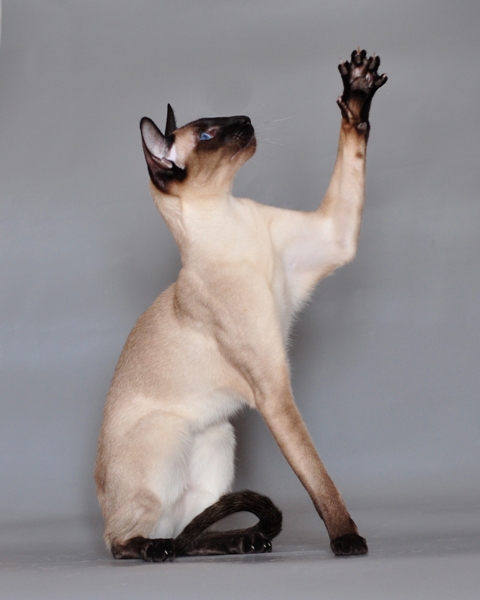
A sleek, talkative, highly social cat that bonds intensely with its owner and dislikes being left alone.
⚡Ownership snapshot
👍 Pros
- Extremely affectionate and bonded to their people
- Smart and trainable—learns tricks and leash walks
- Low-shedding, wash-and-wear short coat
- Playful and interactive well into adulthood
👎 Cons
- Very loud and vocal—not for those wanting a quiet cat
- Hates being alone; prone to separation stress
- Demanding of attention and can be jealous
- Genetic risk of dental, eye, and heart conditions
🧭Temperament & needs
📈Compared with other Cats
🧠Personality & temperament
Siamese are highly vocal, intelligent, and intensely people-oriented cats that form deep bonds with their chosen humans and often 'talk' back in a loud, raspy meow. They are curious, playful into adulthood, and demand constant interaction, sometimes turning jealous or demanding when ignored. Their strong attachment means they follow their owner from room to room and dislike being left alone for long.
📜Origin & background
The Siamese is one of the oldest recognized cat breeds, originating in Thailand (formerly Siam), where it was prized in temples and royal households and depicted in centuries-old manuscripts. It was introduced to the West in the late 1800s and quickly became a foundation breed for many modern pointed cats.
🏃Exercise & enrichment
This energetic breed needs daily active play—wand toys, fetch, and puzzle feeders—to burn off its considerable mental and physical energy. Vertical space like cat trees and shelves, plus a companion or plenty of owner interaction, helps prevent boredom-driven mischief.
✂️Grooming & hygiene
The short, fine single coat is very low-maintenance and sheds only lightly; a weekly rubdown with a soft brush or grooming glove keeps it glossy. Routine care is limited to nail trims, dental care, and occasional ear checks—no professional grooming needed.
🍽️Diet & feeding
Feed a high-quality, protein-rich cat food appropriate to age, splitting the daily amount into two meals or using measured portions to prevent the breed's tendency toward pickiness or overeating. Fresh water should always be available, and treats kept modest to avoid weight gain on their slender frame.
🏠Housing & environment
Siamese thrive as indoor cats in a warm, stimulating home with climbing spots, hiding nooks, and window perches to watch the world. They are sensitive to cold due to their fine coat, so a cozy, draft-free spot to sleep is appreciated.
🩺Health & lifespan
Siamese are generally long-lived (often 12–20 years) but are predisposed to certain conditions including dental disease, progressive retinal atrophy, asthma/respiratory issues, and some heart problems like dilated cardiomyopathy. Amyloidosis (liver) and certain cancers also appear in the breed. Routine dental care, a good diet, and regular vet checkups strongly influence how long and how well they live.
🎓Training & socialization
Highly trainable and eager to engage, Siamese readily learn tricks, fetch, leash walking, and even simple cues using positive reinforcement and their strong food and attention motivation.
💰Cost of ownership
A pedigreed Siamese kitten from a reputable breeder carries a moderate-to-high initial price, plus first-year costs for vaccinations, neutering, and supplies. Ongoing monthly costs (quality food, litter, preventatives) are moderate, though their longevity and breed-linked health risks make pet insurance or a vet fund a wise investment.
💚Who it's good for
People home often who want an interactive, vocal companion.
💡Great match for
❓Frequently asked questions
Why is my Siamese so loud and talkative?
Vocalizing is a core breed trait—Siamese use their distinctive raspy 'meezer' voice to communicate needs and demand attention, and they genuinely expect a response. It's not a problem to fix but a personality to enjoy; more play and interaction usually reduces excessive yowling.
Can a Siamese be left home alone all day?
They tolerate it poorly—Siamese are among the most people-dependent cats and can become stressed, depressed, or destructive when isolated. If you're out for long hours, a feline companion, interactive toys, and quality time when home are strongly recommended.
Are Siamese hypoallergenic?
No cat is truly hypoallergenic, and Siamese are not an exception—allergies come from the Fel d 1 protein in saliva and skin, not coat length. That said, their low shedding can mean somewhat less allergen spread than heavy-coated breeds, though sensitive people should still spend time with one before adopting.
🔎People also ask
Similar pets



Similar pets from other species


Sources: American Kennel Club / breed standards · The Cat Fanciers' Association · PDSA / RSPCA pet care guides · Spruce Pets care references