🐕 Maltese
📊Overview
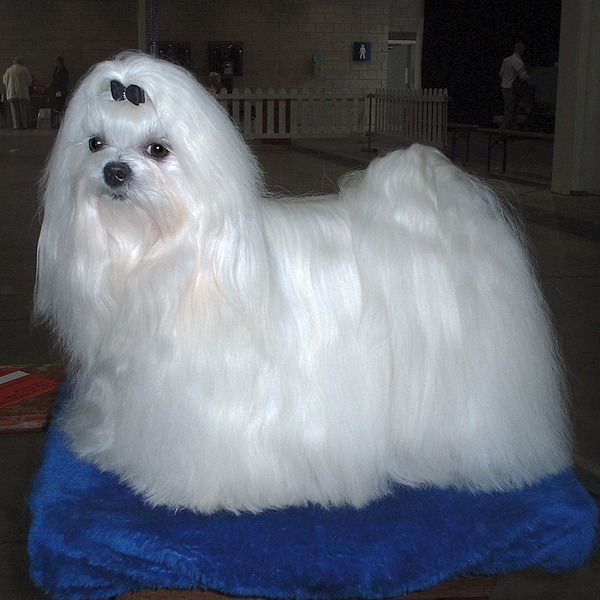
A gentle, devoted toy dog with a silky white coat and a loving, people-focused nature. It bonds so closely that it dislikes being alone, barks when anxious, and its coat needs daily attention plus tear-stain care.
⚡Ownership snapshot
👍 Pros
- Very affectionate and devoted companion
- Minimal shedding and considered hypoallergenic
- Small size—perfect for apartments
- Adapts well to indoor, low-space living
👎 Cons
- High-maintenance coat needs daily brushing
- Prone to separation anxiety
- Frequent barking at strangers/noises
- Fragile—easily injured and needs dental care
🧭Temperament & needs
📈Compared with other Dogs
🧠Personality & temperament
The Maltese is a gentle, affectionate lapdog that thrives on human companionship and bonds intensely with its owner. Despite its dainty size it's playful, fearless, and lively, though it can be surprisingly bold and vocal toward strangers or bigger dogs. Because it craves constant closeness, it is prone to separation anxiety when left alone.
📜Origin & background
The Maltese is an ancient toy breed thought to have originated on the Mediterranean island of Malta over two thousand years ago, appearing on Greek pottery and mentioned by Aristotle. It was long a favorite of royalty and nobility, including Queen Elizabeth I and Mary, Queen of Scots.
🏃Exercise & enrichment
As a lower-energy toy breed, the Maltese needs only a short daily walk plus some indoor play to stay happy and healthy. Gentle exercise and a few interactive toys are enough—overexertion should be avoided in such a tiny, delicate dog.
✂️Grooming & hygiene
The long, silky, single white coat is high-maintenance and needs daily brushing to prevent mats and tangles, plus regular baths; many owners opt for a short 'puppy cut' to simplify care. Because tear staining is common, the face and eye area should be wiped daily, and small-breed dental care is essential.
🍽️Diet & feeding
Feed a small-breed formula in two or three small meals a day, since tiny puppies can be prone to low blood sugar (hypoglycemia) if they go too long without eating. Measure portions carefully—the Maltese's small frame gains weight easily, and avoid table scraps that can worsen tear staining.
🏠Housing & environment
The Maltese is an ideal indoor and apartment dog, needing very little space and preferring to stay close to its people. It is sensitive to cold and heat, so it should live indoors in a comfortable, climate-controlled home rather than outdoors.
🩺Health & lifespan
Maltese are generally long-lived but prone to luxating patellas (slipping kneecaps), dental and periodontal disease due to their small jaws, and cosmetic tear staining. Some also develop collapsing trachea or portosystemic liver shunts, and their delicate build makes them vulnerable to injury from falls or rough handling. With good care they typically live 12–15 years.
🎓Training & socialization
Intelligent but a little willful, the Maltese responds best to gentle, consistent positive reinforcement; house-training in particular can take patience with this toy breed. Early socialization helps curb its tendency to bark at strangers.
💰Cost of ownership
A Maltese puppy is a moderate upfront cost, higher for show-quality lines. Ongoing costs are modest for food but add up with professional grooming every few weeks and toy-breed dental care, which is a recurring and important expense.
💚Who it's good for
Owners home often who want an affectionate, low-shedding apartment companion.
💡Great match for
❓Frequently asked questions
Are Maltese hypoallergenic?
Maltese are considered one of the most hypoallergenic breeds because they shed very little and have hair rather than fur. No dog is 100% allergen-free, but they're a strong choice for many allergy sufferers.
How do I get rid of my Maltese's tear stains?
Wipe the eye area daily, keep the fur around the eyes trimmed short, and rule out food or water sensitivities and ear infections with your vet. Filtered water and a quality diet often help reduce the reddish porphyrin staining.
Can a Maltese be left home alone?
Maltese are prone to separation anxiety and don't do well alone for long hours. Gradual training, safe chew toys, and ideally shorter absences help them cope.
🔎People also ask
Similar pets


Similar pets from other species


Sources: American Kennel Club / breed standards · The Cat Fanciers' Association · PDSA / RSPCA pet care guides · Spruce Pets care references