🐕 Pomeranian
📊Overview
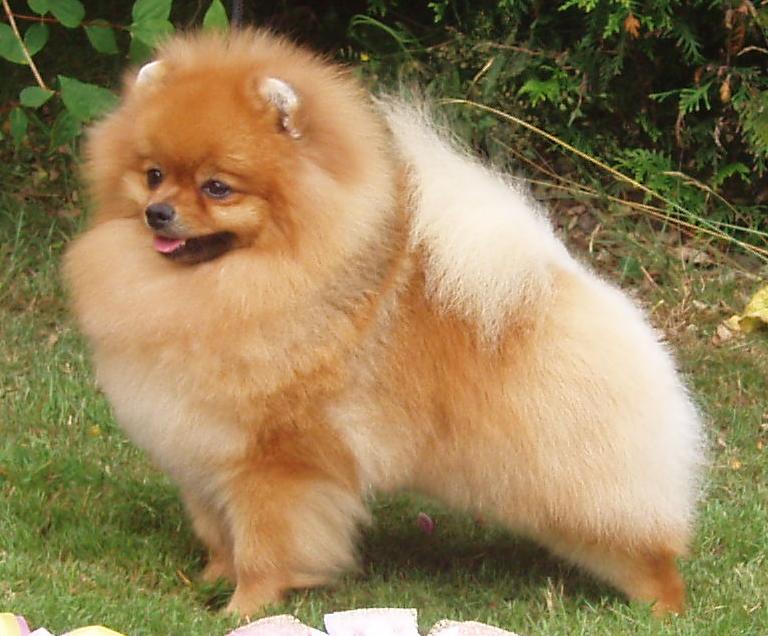
A tiny, lively, fox-faced dog with a big fluffy coat and a bold, curious personality. It barks a lot, can be fragile due to its small size, and its double coat sheds and needs regular brushing.
⚡Ownership snapshot
👍 Pros
- Compact and ideal for apartment living
- Affectionate, lively, and full of personality
- Smart and quick to learn fun tricks
- Long-lived companion, often into its mid-teens
👎 Cons
- Barks readily and can be very vocal
- High-maintenance double coat that sheds
- Prone to knee, trachea, and dental problems
- Fragile size makes it risky around small children
🧭Temperament & needs
📈Compared with other Dogs
🧠Personality & temperament
Pomeranians are bold, lively little extroverts who genuinely believe they are far bigger than they are, often bossing around larger dogs. They bond intensely with their favorite person and are alert, curious, and highly vocal, quick to bark at any doorbell, stranger, or unfamiliar sound. This confidence makes them entertaining companions but also means they can become bossy or reactive without gentle boundaries.
📜Origin & background
The Pomeranian descends from large Spitz-type sled dogs of the Arctic, taking its name from the Pomerania region straddling modern Poland and Germany, where it was bred down in size. It became a global fashion favorite in the 1800s after Queen Victoria fell in love with the breed and championed the smaller specimens we recognize today.
🏃Exercise & enrichment
Despite their tiny size, Pomeranians are energetic and need one or two short daily walks plus indoor play to stay happy and trim. Their sharp minds thrive on trick training, puzzle toys, and gentle games, which also help curb boredom-driven barking.
✂️Grooming & hygiene
The Pomeranian's thick double coat needs brushing several times a week to prevent mats and to manage its notable seasonal shedding, with heavier 'blowouts' typically twice a year. Regular dental care is essential because tiny mouths are prone to tartar and tooth loss, and nails and ears should be checked routinely.
🍽️Diet & feeding
Feed a high-quality small-breed formula split into two or three small meals a day, since tiny Pomeranian puppies are prone to low blood sugar (hypoglycemia) if they go too long without eating. Portions must be measured carefully because even a little overfeeding quickly leads to obesity on such a small frame.
🏠Housing & environment
Pomeranians adapt beautifully to apartments and small homes and are true indoor companion dogs that should never be left outside in heat or cold. They do need a safe, draft-free spot to rest and gentle supervision, as their small size makes falls from furniture or rough handling genuinely dangerous.
🩺Health & lifespan
Common Pomeranian concerns include luxating patella (slipping kneecaps), tracheal collapse (best avoided by using a harness instead of a collar), dental disease, and a hereditary coat condition called Alopecia X or 'black skin disease.' With good care they typically live 12 to 16 years; keeping them lean, using a harness, and maintaining dental and knee health are the biggest levers for a long life.
🎓Training & socialization
Smart and eager to please, Pomeranians respond well to short, positive, reward-based sessions, but consistency is key to controlling their tendency to bark and to make house-training stick.
💰Cost of ownership
Initial costs include a purebred puppy (often a significant purchase price) plus early vaccinations, neutering, and basic supplies. Ongoing expenses are moderate but steady, covering quality food, routine vet visits, dental cleanings, and grooming, with dental or knee treatment being the most likely larger bills over a lifetime.
💚Who it's good for
Owners wanting a portable, spirited companion who don't mind frequent barking.
💡Great match for
❓Frequently asked questions
Do Pomeranians bark a lot?
Yes, they are naturally alert and vocal, so they tend to bark at sounds and strangers. Early, consistent training and enough mental stimulation help keep the barking manageable.
Are Pomeranians good with young children?
They can be, but their tiny, delicate build means rough handling or a fall can easily injure them, so they suit calm older kids better. Interactions with toddlers should always be closely supervised.
Why is my Pomeranian losing hair on its body?
Beyond normal seasonal shedding, Poms can develop Alopecia X (black skin disease), a hereditary condition causing symmetrical hair loss and darkened skin on the trunk. It is best assessed by a vet, who will first rule out hormonal or thyroid causes.
🔎People also ask
Similar pets


Similar pets from other species


Sources: American Kennel Club / breed standards · The Cat Fanciers' Association · PDSA / RSPCA pet care guides · Spruce Pets care references