🦁 Lionhead

📊Overview
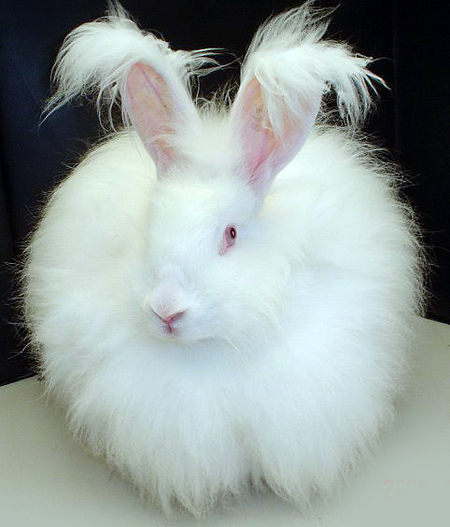
A small rabbit named for the wool 'mane' encircling its head, giving it a lion-like look. The mane and wool tend to mat easily, so it needs more frequent grooming than most short-haired breeds.
⚡Ownership snapshot
👍 Pros
- Adorable lion-like mane and small, apartment-friendly size
- Affectionate and bonds closely with attentive owners
- Very quiet—well suited to shared or thin-walled housing
- Intelligent and can learn litter training and tricks
👎 Cons
- Mane mats easily and needs frequent brushing
- Prone to wool block and GI stasis if grooming lapses
- Can be skittish and nippy if not handled gently
- Needs daily out-of-pen exercise and enrichment
🧭Temperament & needs
📈Compared with other Rabbits
🧠Personality & temperament
Lionheads are friendly, curious little rabbits that bond closely with their people and enjoy plenty of interaction, but their small size makes them easily startled if handled roughly or approached suddenly. They are intelligent and playful, often greeting owners at the pen door, yet can turn skittish and nippy when they feel unsafe, so calm, gentle handling is essential. Most settle into affectionate lap companions once they trust their household.
📜Origin & background
The Lionhead originated in Belgium in the 1990s, when a genetic mutation produced the distinctive 'mane' of long wool around the head, likely from crossing small wool breeds such as the Swiss Fox with dwarf rabbits. The breed was refined in Europe and recognized by the American Rabbit Breeders Association (ARBA) in 2014.
🏃Exercise & enrichment
Lionheads have moderate energy and need at least 3-4 hours of daily out-of-pen time in a rabbit-proofed space to run, binky, and explore. Tunnels, cardboard castles, willow toys, and foraging games keep their active minds engaged and prevent boredom-driven chewing.
✂️Grooming & hygiene
The woolly mane (and, in double-maned lines, longer fur on the flanks) mats easily and demands brushing at least two to three times a week, increasing to daily during their heavy seasonal molts. Regular grooming is not optional here—swallowed loose wool can cause dangerous gut blockages (wool block), and nails should be trimmed roughly monthly.
🍽️Diet & feeding
The diet should be roughly 80% unlimited grass hay (timothy or orchard), which wears down continuously growing teeth and keeps the gut moving, plus a daily handful of leafy greens and a small measured portion of pellets. Sugary fruit and treats should be strictly limited, and fresh water must always be available.
🏠Housing & environment
Being small, a Lionhead is happy in an apartment but still needs a spacious pen or x-pen (at least four times its stretched-out length) rather than a cramped cage, kept indoors away from temperature extremes. Provide a solid-floor resting area, a hay-filled litter box, and a quiet hideaway, since they are prone to heat stress in hot weather.
🩺Health & lifespan
Common issues include dental malocclusion (overgrown teeth), GI stasis, and wool block from ingested mane fur, all of which are veterinary emergencies if the rabbit stops eating or pooping. Their compact skull can also predispose them to tear-duct and dental problems, so a hay-heavy diet and diligent grooming are protective. With good care they typically live 7-10 years.
🎓Training & socialization
Lionheads are smart enough to learn litter-box use, their name, and simple tricks through patient, treat-based positive reinforcement, though results come faster after spaying/neutering settles hormonal behaviour. Never punish—it only makes them fearful and defensive.
💰Cost of ownership
Initial costs cover the rabbit (moderately priced as a popular pet), a roomy pen, litter box, carrier, and grooming tools, plus spay/neuter surgery. Ongoing monthly expenses for hay, pellets, greens, litter, and periodic exotic-vet care are moderate but steady over a 7-10 year life.
💚Who it's good for
Suits owners who love a fluffy, characterful pet and don't mind regular brushing.
❓Frequently asked questions
What's the difference between a single-maned and double-maned Lionhead?
A single-maned Lionhead carries one mane gene and has a thinner mane that often thins with age, while a double-maned one carries two genes, keeps a full mane for life, and grows extra 'skirt' wool on its flanks—meaning even more grooming.
Do Lionhead rabbits need a lot of grooming?
Yes—unlike short-haired rabbits, their woolly mane must be brushed two to three times weekly (daily during molts) to prevent painful mats and dangerous wool block from swallowed fur.
Are Lionheads good for first-time or child owners?
They can be, but their small size and skittish streak mean they're best supervised around young children and suit gentle, patient owners who can commit to daily interaction and regular grooming.
🔎People also ask
Similar pets


Similar pets from other species


Sources: American Kennel Club / breed standards · The Cat Fanciers' Association · PDSA / RSPCA pet care guides · Spruce Pets care references