🦎 Leopard Gecko
📊Overview
One of the best beginner reptiles — small, docile, quiet, and long-lived, tolerating gentle handling without needing much space.
⚡Ownership snapshot
👍 Pros
- Docile, easy to handle, and great for beginners
- Quiet, odorless, and low-space
- Long-lived (15–20 years) with lots of color morphs
- No UVB-dependence stress and simple insect diet
👎 Cons
- Requires a live-insect diet (not for the squeamish)
- Needs precise heat, hides, and supplementation to stay healthy
- 15–20 year lifespan is a major commitment
- Not cuddly or social — mostly a look-and-observe pet
🧭Temperament & needs
📈Compared with other Reptiles
🧠Personality & temperament
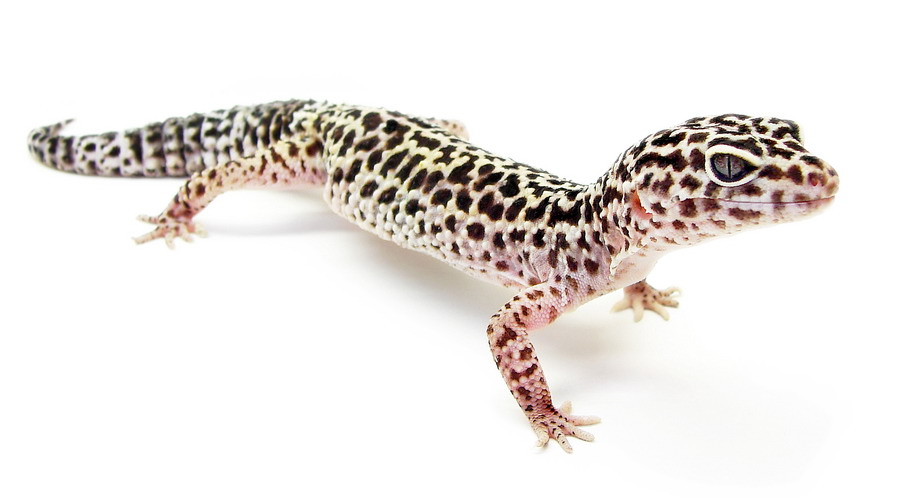
Leopard geckos are docile, ground-dwelling, and famously beginner-friendly — most are calm, tolerate gentle handling well, and rarely bite. They are crepuscular, becoming most active at dawn and dusk, and each has a distinct personality, from bold and inquisitive to shy; the 'smile' created by their mouth shape gives them a charming, expressive face. They are not social with their own kind, so they should be kept singly to avoid stress and fighting, especially between males.
📜Origin & background
Leopard geckos (Eublepharis macularius) are native to the arid, rocky grasslands and desert fringes of Afghanistan, Pakistan, and northwestern India. They have been bred in captivity for decades, making them one of the first widely domesticated reptiles and the source of the huge range of color and pattern 'morphs' available today.
🏃Exercise & enrichment
Leopard geckos are low-energy but still benefit from a floor-space enclosure to explore, climb over low rocks, and hunt — offering live prey lets them exercise their natural stalking and pouncing instincts. Multiple hides, textured surfaces, and occasional rearrangement of decor provide enrichment for these ground-dwellers, who value horizontal space over height.
✂️Grooming & hygiene
Leopard geckos groom themselves and don't need bathing, but they do shed their skin regularly and require a humid hide (a moist box) to shed cleanly in one piece. Watch for retained shed around the toes and eyes — trapped skin can cut off circulation — and spot-clean waste from their designated corner frequently, doing a full substrate clean periodically.
🍽️Diet & feeding
Leopard geckos are strict insectivores fed a variety of live gut-loaded insects — crickets, dubia roaches, and mealworms as staples, with waxworms only as an occasional treat. Feeders must be dusted with calcium at most meals and with a calcium/D3 and multivitamin supplement on a regular schedule; juveniles eat daily while adults eat every 2–3 days.
🏠Housing & environment
A single adult needs a front-opening terrarium of at least 20 gallons (a 36 x 18-inch / 90 x 45 cm floor is a great long-term goal) with several hides including a warm hide, a cool hide, and a humid hide. Provide a warm side of 88–92°F (31–33°C) via an under-tank heat mat or low basking bulb on a thermostat, a cooler side around 75°F, a gentle low-output UVB tube, and a safe substrate — avoid loose sand for young geckos to prevent impaction.
🩺Health & lifespan
With proper husbandry leopard geckos are hardy and commonly live 15–20 years, with some males reaching their mid-20s — a genuinely long commitment. The most important preventable illness is metabolic bone disease (MBD) from insufficient calcium or D3/UVB, alongside impaction from loose substrate, retained shed, and respiratory infections from overly cool or damp conditions. Correct temperatures, diligent calcium supplementation, appropriate substrate, and a proper humid hide prevent the great majority of these problems.
🎓Training & socialization
Leopard geckos can't be trained like a dog, but they tame readily with patient, gentle handling — start with short sessions after a couple of weeks of settling in, support the whole body, and never grab or restrain the tail, which they can drop when frightened. Move slowly, let the gecko walk onto your hand rather than snatching it, and it will become calm and confident over time.
💰Cost of ownership
The gecko itself is inexpensive for common morphs, but the initial setup — a proper enclosure, heat source, thermostat, UVB, hides, and thermometers/hygrometers — is the main upfront cost and should never be skimped on. Ongoing costs are modest: live insects, calcium and vitamin supplements, occasional UVB bulb replacement, and electricity, plus a reptile-vet fund for their long life.
💚Who it's good for
Beginners wanting a calm, low-noise, allergy-friendly pet.
💡Great match for
❓Frequently asked questions
Do leopard geckos need UVB lighting?
While they can survive on dietary D3 alone, current research strongly supports providing low-level UVB, which helps calcium metabolism and overall health even in this crepuscular species. Pair a low-output UVB tube on a 10–12 hour cycle with proper calcium and D3 supplementation for the best outcomes.
Why did my gecko drop its tail, and will it grow back?
Leopard geckos drop their tail as a defense reflex when grabbed by the tail, badly startled, or stressed — so never handle them by the tail. It does regrow, but the regenerated tail is usually shorter, smoother, and a different shape, so prevention through gentle handling is far better.
What temperature and heating does a leopard gecko need?
Provide a thermal gradient with a warm side of 88–92°F (31–33°C) and a cooler side around 75°F, using an under-tank heat mat or low basking bulb always regulated by a thermostat. Verify temperatures with a digital probe thermometer, and keep nighttime temperatures from dropping below about 65°F.
🔎People also ask
Similar pets


Similar pets from other species


Sources: American Kennel Club / breed standards · The Cat Fanciers' Association · PDSA / RSPCA pet care guides · Spruce Pets care references