🦎 Reptile Care: The Complete Guide
Reptiles are among the most rewarding but most misunderstood pets, ranging from a palm-sized leopard gecko to a decades-living tortoise. Unlike cats and dogs, they cannot adapt to your home; you must recreate their native climate with precise heat, light, and humidity, or they will sicken slowly and silently. This guide walks new and prospective owners through everything from choosing a healthy animal to housing, diet, health, and the real cost of doing it properly.
1. Is a Reptile Right for You?
Reptiles are often marketed as "low-maintenance," and that is only half true. They do not need daily walks, they are quiet, and many are odourless when kept clean. But they demand a level of environmental precision that no dog or cat ever will: the right basking temperature, a working thermostat, correct UVB, and appropriate humidity must be maintained every single day, or the animal declines. If you travel often or cannot commit to checking equipment daily, a reptile may not suit your lifestyle.
Commitment is also measured in years, and this varies enormously by species. A leopard gecko or crested gecko can live 15-20 years, a ball python 25-30 years, and a Russian tortoise or red-eared slider can outlive its owner at 40-plus years. Choosing a reptile is often a multi-decade decision, so match the species' lifespan and adult size to your life stage: a red-eared slider that fits in a palm as a hatchling needs a 100+ litre tank as an adult, and a green iguana or water dragon grows far larger than most beginners expect.
Finally, be honest about your comfort with feeding. Snakes, and many lizards, eat whole prey, frozen-thawed rodents or live insects such as crickets, roaches, and worms. If keeping crickets in your kitchen or thawing a mouse turns your stomach, a herbivorous species like a Uromastyx, Russian tortoise, or bearded dragon (which is omnivorous but eats mostly greens as an adult) is a far better fit than a snake.
2. Choosing a Healthy Reptile
Before you look at any animal, decide where to get it. A reputable breeder is usually the best source for a healthy, captive-bred reptile with a known feeding history and no wild-caught parasites. Rescues and reptile-specific adoption groups are full of animals whose owners underestimated the commitment, and adopting one is a genuine good deed, though it may come with an existing health issue you should have vet-assessed. Avoid impulse purchases from large chain stores where staff often cannot tell you the animal's age, sex, or whether it is eating; wild-caught imports (common with some tortoises, anoles, and sand boas) carry heavy parasite loads and stress-related problems.
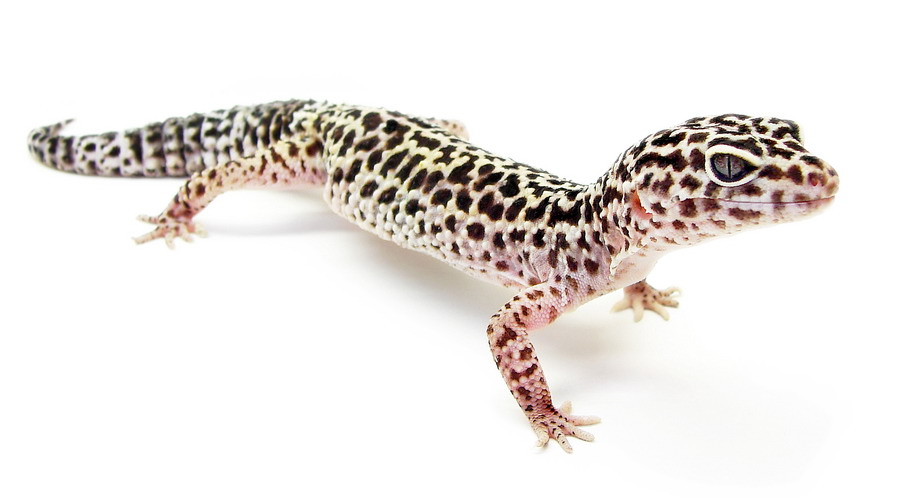
A healthy reptile is alert and has clear, bright eyes with no discharge or swelling. The body should be well-fleshed but not obese: you should not see a sunken belly, protruding hip bones, or a spine that looks like a ridge. Check that the mouth closes cleanly with no cheesy or bubbly material inside (a sign of mouth rot or respiratory infection), the nostrils are clear, and the vent (rear opening) is clean with no stuck faeces or swelling. On lizards, look for a full, rounded tail; leopard geckos and other species store fat there, and a thin, pencil-like tail signals illness or starvation.
Watch for red flags before you commit. Retained shed (old skin stuck on toes, tail tip, or over the eyes) suggests poor humidity in the seller's care. Laboured or open-mouthed breathing, wheezing, or mucus points to a respiratory infection. Soft, rubbery, or bent limbs and a swollen jaw indicate metabolic bone disease. Ask to see the animal eat if possible, and ask for its feeding and shedding records; a seller who cannot or will not answer basic husbandry questions is one to walk away from.
3. Housing & Environment
The enclosure is where reptile keeping succeeds or fails, and the single most important principle is the thermal gradient: one warm basking end and one cool end, so the animal can move to regulate its own body temperature. Provide a basking spot and a cool retreat, and always control heat sources with a thermostat to prevent burns and overheating. Typical targets are 35-40°C (95-105°F) basking with a 24-29°C cool end for a bearded dragon, and a warm end of 28-32°C with a 20-24°C cool end for a leopard gecko. Snakes such as ball pythons and corn snakes need a similar gradient (roughly 30-32°C warm, low-mid 20s°C cool). Measure temperatures at surface level with a digital probe or infrared thermometer, never rely on the stick-on dial gauges.
Lighting is not optional for most species. Diurnal (day-active) reptiles such as bearded dragons, chameleons, water dragons, Uromastyx, anoles, and tortoises require UVB to synthesise vitamin D3 and absorb calcium; without it they develop fatal metabolic bone disease. Use a linear T5 UVB tube (ReptiSun or Arcadia are the reliable brands), run it 10-12 hours a day, and replace it every 6-12 months because UVB output fades long before the light dies. Nocturnal species like ball pythons, corn snakes, crested geckos, and hognose snakes have lower UVB needs, though low-level UVB still benefits them. Provide heat via an overhead basking bulb or ceramic heat emitter rather than heat mats alone for basking species; heat mats suit belly-heat species like sand boas.
Size the enclosure to the adult animal, not the baby, and choose the substrate and furnishings to match the biome. Arid species (leopard gecko, bearded dragon, Uromastyx, Russian tortoise, sand boa) do best on non-particulate or coarse substrates and need very low humidity; tropical species (crested gecko, water dragon, chameleon, ball python) need higher humidity and plants or foliage. Every reptile needs at least two hides (one on the warm side, one on the cool), secure climbing or basking décor appropriate to the species, and clean water. Ventilation matters: glass tanks suit humid setups poorly, while chameleons in particular need mesh, well-ventilated enclosures to prevent stagnant air and respiratory disease.
4. Feeding & Nutrition
Diet is entirely species-dependent, so identify your reptile's feeding type first. Insectivores and insect-based omnivores (leopard geckos, crested geckos, anoles, juvenile bearded dragons, water dragons, veiled chameleons) eat live invertebrates: crickets, dubia roaches, and occasional worms. These insects must be "gut-loaded" (fed nutritious food before offering) and dusted with a calcium supplement at most feeds, plus a vitamin/D3 supplement once or twice weekly. Crested geckos are the easy exception, thriving on complete powdered diets (such as Repashy or Pangea) mixed with water. Herbivores and adult omnivores (Uromastyx, Russian tortoise, adult bearded dragon) eat mostly leafy greens, weeds, and flowers, with limited vegetables and almost no fruit.
Carnivorous snakes are the simplest to feed but the hardest for the squeamish. Ball pythons, corn snakes, hognose snakes, and Kenyan sand boas eat appropriately sized rodents, and best practice is frozen-thawed prey rather than live, which is safer for the snake (a live rodent can bite and injure it) and more humane. Prey should be roughly the width of the snake's thickest body point. Feeding frequency drops dramatically with age: hatchling snakes eat every 5-7 days, while a large adult ball python may eat only every 2-4 weeks. Aquatic turtles like red-eared sliders are omnivores that need a formulated pellet base plus greens and occasional protein.
Get the schedule and the calcium balance right, and avoid the classic errors. Feed insectivorous juveniles daily and adults every other day or a few times a week; obesity from overfeeding is common in adult leopard geckos and bearded dragons. Never feed prey items larger than the space between the animal's eyes (for insects) or too large for a snake to swallow comfortably. Avoid toxic or unsuitable foods: no wild-caught insects (pesticide risk), no fireflies (toxic to lizards), no avocado, rhubarb, or high-oxalate spinach as a staple, and go easy on fruit for most species, as it disrupts gut flora and can cause diarrhoea. Always provide clean, fresh water, even for desert species.
5. Daily Care & Routine
A good daily routine is built around checking the environment as much as the animal. Each day, glance at your thermometers and hygrometer to confirm the basking temperature, cool-end temperature, and humidity are all in range, and check that heat and UVB lamps are on their timers correctly. Do a quick spot-clean: remove any faeces, uneaten food, and shed skin, and refresh the water dish. This five-minute habit is what prevents most husbandry-related illnesses, because the failures that kill reptiles (a dead thermostat, dropping humidity, a lamp that burned out) are silent unless you look.
Hygiene extends to periodic deep cleaning. Spot-clean daily, and fully replace the substrate and disinfect the enclosure and décor on a schedule (typically monthly for dry setups, more often for humid or aquatic ones; turtle tanks need strong filtration and regular water changes). Always wash your hands before and after handling any reptile or cleaning its enclosure: reptiles commonly carry Salmonella, which is harmless to them but can make people, especially young children, elderly, or immunocompromised individuals, seriously ill. For this reason, reptiles are generally not recommended for households with children under five.
Reptiles do not "bond" or crave affection the way mammals do, so socialisation means calm, regular, low-stress handling to keep the animal tame, not cuddling. Many species (bearded dragons, blue-tongue skinks, corn snakes, ball pythons) tolerate gentle handling well; others (chameleons, most geckos, water dragons) are best treated as display animals that are handled minimally. Support the whole body, keep sessions short, never grab a lizard by the tail (many drop their tails when stressed), and skip handling for 24-48 hours after feeding and during shedding. Enrichment comes from a well-designed enclosure: climbing branches, basking ledges, foraging for live insects, and hides that let the animal feel secure and express natural behaviour.
6. Health & Veterinary Care
Reptiles are not vaccinated, but they still need veterinary care, and the most important step is finding an exotic or reptile-experienced vet before you have an emergency; a regular cat-and-dog clinic often cannot help. A wellness exam within a week or two of acquiring your reptile is strongly recommended, ideally with a fresh faecal sample to screen for parasites, which are extremely common in wild-caught and even some captive-bred animals. After that, an annual check-up lets the vet weigh the animal, assess body condition, and catch problems early.
Most reptile illness is husbandry-driven, so learning the big conditions helps you prevent them. Metabolic bone disease (MBD) results from a lack of calcium, vitamin D3, or UVB and shows as a soft or swollen jaw, bent or rubbery limbs, tremors, and difficulty standing; it is preventable with correct UVB and calcium. Respiratory infections come from temperatures that are too cool or too damp and show as open-mouth breathing, wheezing, bubbles or mucus at the nose and mouth, and lethargy. Mouth rot (infectious stomatitis) appears as swelling, redness, and cheesy pus around the mouth. Other common issues include retained shed (from low humidity), thermal burns (from unregulated heat sources), egg-binding in females, and internal or external parasites.
Because reptiles instinctively hide illness, warning signs are subtle and any change deserves attention. Seek a vet if you notice a loss of appetite lasting beyond the species' normal fasting range, unexplained weight loss or a shrinking tail, lethargy or hiding far more than usual, laboured or open-mouthed breathing, discharge from the eyes, nose, or mouth, straining or a swollen vent, or repeated incomplete sheds. Do not attempt to treat a sick reptile with over-the-counter remedies; by the time symptoms are obvious, the animal is often seriously ill, and prompt professional care makes the difference between recovery and loss.
7. Cost of Ownership
The animal is almost always the cheapest part of reptile keeping; the setup is where the money goes. A common-morph leopard gecko, corn snake, or ball python may cost relatively little, while rarer morphs, a blue-tongue skink, or a chameleon cost considerably more. The proper enclosure and equipment, however, typically cost several times the price of the animal: a correctly sized tank or terrarium, a thermostat, heat lamp and UVB fixture with bulbs, thermometers and a hygrometer, hides, décor, substrate, and a water dish. Budget realistically for a complete starter setup rather than the bare-bones kits sold in stores, which are often too small and lack proper temperature control. Larger species (tortoises, water dragons, adult bearded dragons) need bigger, pricier enclosures.
Ongoing monthly costs are modest but real and continuous. They include food (insects, rodents, or fresh greens), calcium and vitamin supplements, substrate replacement, and, importantly, electricity to run heating and lighting 24/7, which is easy to overlook and can be the largest recurring cost for a large or high-heat enclosure. UVB bulbs are a recurring expense too, since they must be replaced every 6-12 months even though they still emit visible light. Aquatic turtles add filter media and higher water and power use.
The budget item new owners most often forget is veterinary care. Exotic vet visits generally cost more than standard cat-and-dog appointments, and a single illness, diagnostic workup, or emergency (an impaction, egg-binding, or infection) can cost many times the animal's purchase price. Set aside an emergency fund from the start, or consider exotic pet insurance where available. Over a reptile's long life, the lifetime cost is dominated not by the purchase but by years of electricity, food, replacement equipment, and occasional but potentially large vet bills, so plan for the decades, not just the first month.
8. Common Beginner Mistakes
1. Buying the animal before the setup. The most damaging mistake is bringing a reptile home to an enclosure that is not fully built and stabilised. Set up the tank days in advance, run the heating and lighting, and confirm the temperatures and humidity hold steady before the animal ever arrives. A reptile placed in an unregulated or too-cold enclosure begins declining immediately.
2. Skipping UVB or using the wrong heat source. New keepers often assume a heat mat is enough, or leave a UVB bulb in place for years. Diurnal species need a genuine UVB tube replaced every 6-12 months, and all heated species need an overhead heat source controlled by a thermostat, not a single mat or an unregulated bulb that can cause burns or overheating.
3. Guessing at temperature instead of measuring it. Relying on the cheap stick-on dial gauges, or on how the tank "feels," leads to enclosures that are silently too hot or too cold. Use a digital thermometer with a probe or an infrared thermometer to measure the actual basking surface and the cool end, and use a thermostat so heat never runs unchecked.
4. Wrong humidity for the species. Keeping an arid species (leopard gecko, bearded dragon) too humid causes respiratory infections and skin problems, while keeping a tropical species (crested gecko, ball python) too dry causes chronic dehydration and stuck sheds. Research your specific species' humidity range and monitor it with a hygrometer rather than assuming all reptiles are the same.
5. Over-handling and misreading stress. Excited new owners often handle a new or shy reptile too much, too soon, especially right after feeding or during a shed. Give a new animal a week or two to settle before handling, keep sessions short, learn your species' stress signals, and remember that many reptiles (chameleons, most geckos) are display animals that prefer to be left alone.
❓Frequently asked questions
What is the best pet reptile for a complete beginner?
The most beginner-friendly reptiles are the leopard gecko, crested gecko, corn snake, and ball python. Leopard geckos and crested geckos stay small, are hardy, and have simple needs (crested geckos even eat a complete powdered diet, requiring no live insects and no UVB-critical setup). Corn snakes are docile, easy to feed on frozen-thawed mice, and very forgiving of minor husbandry errors. Bearded dragons are also popular and interactive but need a larger enclosure and proper UVB, making them a bit more demanding. Whichever you choose, the key is matching the species to your budget, space, and comfort with its diet.
Do all reptiles need a UVB light?
Not all, but more than people think. Diurnal (day-active) species such as bearded dragons, chameleons, water dragons, Uromastyx, anoles, and tortoises absolutely require UVB to make vitamin D3 and absorb calcium; without it they develop fatal metabolic bone disease. Nocturnal species like ball pythons, corn snakes, crested geckos, and hognose snakes have traditionally been kept without it, and can survive on dietary D3, but current best practice is that low-level UVB benefits them too. Whatever bulb you use, remember it must be replaced every 6-12 months because its UVB output fades long before the visible light dies.
Why won't my reptile eat?
A refused meal is one of the most common worries, and the cause is usually environmental before it is medical. First check temperatures: reptiles need adequate warmth to digest, and a too-cool enclosure is the number-one reason for a lost appetite. Other normal causes include a recent move to a new home (give a new animal one to two weeks to settle), an upcoming shed, seasonal slow-downs or brumation in some species, or simply being offered prey that is the wrong size or type. If temperatures and setup are correct and the animal still refuses food for an extended period, or shows weight loss, lethargy, or other symptoms, see a reptile-experienced vet, as prolonged fasting can signal illness, parasites, or impaction.
Can I house two reptiles together?
For beginners, the safe answer is no; most pet reptiles are solitary and should be housed alone. Cohabitation frequently leads to stress, competition for basking spots and food, bullying, and outright injury, and many problems stay hidden because reptiles mask stress and illness. Housing two males together is especially risky, and even a male-female pair can lead to constant, health-draining breeding or aggression. Leopard geckos, chameleons, and most snakes in particular should never be kept in pairs by inexperienced keepers. If two animals ever need to share air space temporarily, quarantine any new reptile separately for at least a couple of months first to prevent spreading parasites or disease. When in doubt, one enclosure per animal is always the safest choice.
Browse these pets


Sources: American Kennel Club / breed standards · The Cat Fanciers' Association · PDSA / RSPCA pet care guides · Spruce Pets care references