Chinese Evergreen vs Dumb Cane
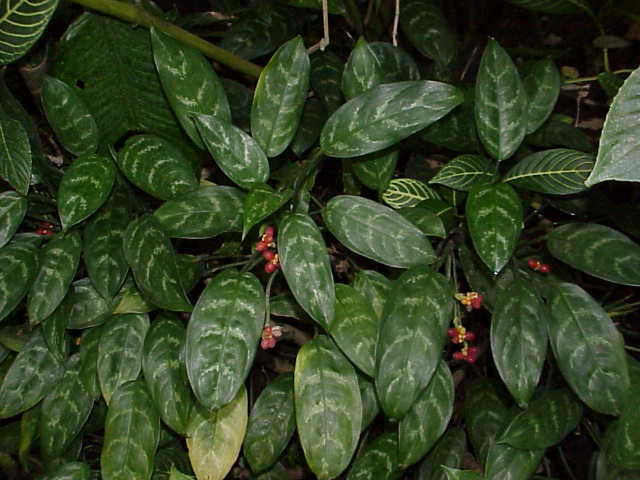

Choosing between the Chinese Evergreen and the Dumb Cane? Both are popular houseplants, but they differ in care effort, light needs, and pet safety. Here is a clear side-by-side comparison to help you decide.
📊Side by side
| Feature | Chinese Evergreen | Dumb Cane |
|---|---|---|
| Watering | Every 7–10 days | Every 7–10 days |
| Light | Low light | Medium, bright indirect |
| Difficulty | Easy | Easy |
| Humidity | Average | Average |
| Mature size | 40–90 cm (16–35 in) | 60–150 cm (24–59 in) |
| Growth rate | Moderate | Moderate |
| Pet safety | Toxic to pets | Toxic to pets |
| Care effort | Medium | Medium |
🏆Which one should you choose?
Both are rated Easy, so neither will give you much trouble — decide on looks and the space you have.
Neither is ideal for homes with nibbling pets: both are toxic to cats and dogs.
The Dumb Cane grows clearly larger (60–150 cm) than the Chinese Evergreen (40–90 cm) — choose by the space you have.
In a darker room the Chinese Evergreen wins: it tolerates low light, while the Dumb Cane wants Medium, bright indirect.
Choose the Chinese Evergreen if…
- Tolerates low light
- Hard to kill; great for beginners
- Popular air-freshening pick
Choose the Dumb Cane if…
- Hard to kill; great for beginners
- Popular air-freshening pick
- Big, room-defining presence
❓Frequently asked questions
Which is easier to care for: Chinese Evergreen or Dumb Cane?
Both are rated Easy, so neither will give you much trouble — decide on looks and the space you have.
Is the Chinese Evergreen or the Dumb Cane better for homes with pets?
Neither is ideal for homes with nibbling pets: both are toxic to cats and dogs.
Can I care for the Chinese Evergreen and the Dumb Cane the same way?
Not quite — the Chinese Evergreen wants water about every 10 days in Low light, while the Dumb Cane prefers every 10 days in Medium, bright indirect. Treat them as two routines.