🐇 Flemish Giant

📊Overview
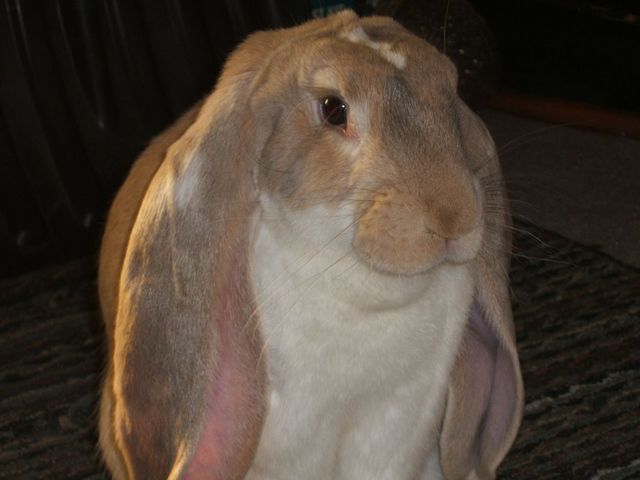
One of the largest rabbit breeds, often weighing 6 kg or more, with a famously docile 'gentle giant' temperament. Its huge size means it needs a very large enclosure, eats a lot, and tends to have a shorter lifespan than smaller breeds.
⚡Ownership snapshot
👍 Pros
- Exceptionally gentle, calm, and dog-like temperament
- Tolerates handling well, good with respectful kids
- Impressive, striking size and presence
- Very quiet and sociable with the family
👎 Cons
- Needs a huge amount of space—not for small homes
- Highest food and vet costs of common rabbit breeds
- Prone to sore hocks and heat stress due to bulk
- Shorter lifespan (5-8 years) than smaller breeds
🧭Temperament & needs
📈Compared with other Rabbits
🧠Personality & temperament
Nicknamed the 'gentle giant,' the Flemish Giant is famously docile, patient, and dog-like, often tolerating handling and cuddles better than smaller, flightier breeds. They form strong bonds with their families and can be quite laid-back and outgoing, though their sheer size means they still need respectful, secure handling. Individuals raised with regular gentle contact become confident, calm companions.
📜Origin & background
The Flemish Giant is one of the oldest recognized rabbit breeds, developed near Ghent, Belgium, with roots traced back to the 16th century and refined as a meat-and-fur breed around 1860. It was imported to North America in the 1890s and recognized by ARBA in 1910, and today is prized mainly as a show and pet rabbit.
🏃Exercise & enrichment
Despite their calm demeanour, these large rabbits need substantial daily exercise—several hours in a big, secure area—to keep their heavy frames fit and prevent obesity and pressure sores. Wide runs, low ramps, and sturdy toys suit them better than the small enrichment items made for dwarf breeds.
✂️Grooming & hygiene
The Flemish Giant's dense, short-to-medium coat is fairly low-maintenance, needing only weekly brushing that increases during seasonal molts. Because of their size they can struggle to groom their own hindquarters, so owners should check the rear for soiling and keep the large nails trimmed.
🍽️Diet & feeding
Like all rabbits their diet is built on unlimited grass hay, but their large bodies also need generous leafy greens and a proportionally bigger (yet still carefully measured) pellet ration to avoid obesity. Growing juveniles need extra protein and calcium to build their big frame, and constant fresh water is a must.
🏠Housing & environment
This breed needs far more space than a standard rabbit cage can offer—a large pen, dog crate, or a dedicated room-sized area with a solid (not wire) floor to protect their feet. Flooring should be cushioned and easy to clean, and the whole setup kept cool, since their bulk makes them very sensitive to heat.
🩺Health & lifespan
Their heavy weight makes sore hocks (ulcerated footpads) the signature concern, especially on hard or wire flooring, along with obesity, arthritis, and heat sensitivity as they age. Like all rabbits they're also prone to dental disease and GI stasis, and their large size correlates with a shorter lifespan—typically only 5-8 years—so a solid-floor, weight-conscious lifestyle is key.
🎓Training & socialization
Flemish Giants are intelligent and calm enough to learn litter-box habits and their names with patient, reward-based training, and their laid-back nature often makes them easier to handle than nervous small breeds. Support their heavy hindquarters fully every time you lift them to prevent spinal injury.
💰Cost of ownership
This is one of the more expensive rabbits to keep: everything scales up—an oversized pen, a large carrier, and roughly two to three times the food a small breed eats. Ongoing vet bills also run higher because exotic-vet dosing, and any surgery, is priced by their large body weight, so budget generously across their lifetime.
💚Who it's good for
Best for owners with lots of space who want a calm, dog-sized companion rabbit.
❓Frequently asked questions
How big does a Flemish Giant actually get?
Adults commonly weigh 6-10 kg (13-22 lb) and can stretch over 75 cm long—about the size of a medium dog—making them the largest domestic rabbit breed in the world.
Are Flemish Giants good pets for families?
Yes—their calm, patient nature makes them wonderful with respectful children and other pets, but their size, space needs, and higher costs mean they suit committed households with room to spare rather than tight apartments.
Why do Flemish Giants get sore hocks?
Their heavy body puts constant pressure on the footpads, so hard or wire flooring can wear the fur away and cause painful ulcers—soft, solid, cushioned flooring is essential to prevent it.
🔎People also ask
Similar pets



Similar pets from other species


Sources: American Kennel Club / breed standards · The Cat Fanciers' Association · PDSA / RSPCA pet care guides · Spruce Pets care references