🐰 English Lop
📊Overview
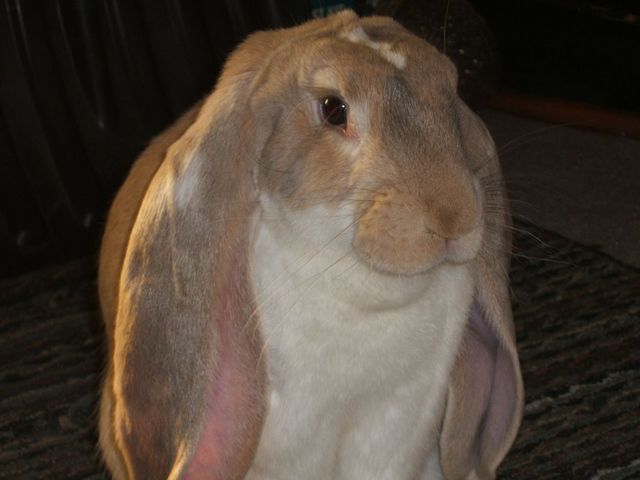
Instantly recognizable for its enormously long, trailing ears, the largest of any rabbit breed, paired with a laid-back, affectionate personality. Those ears are delicate and prone to injury, and the breed can suffer ear infections and needs a warm environment.
⚡Ownership snapshot
👍 Pros
- Exceptionally calm, gentle 'dog-like' temperament
- Great with children and other pets
- Low-maintenance short coat, very quiet
- Tolerant of handling and affectionate
👎 Cons
- Large size needs a lot of space and food
- Trailing ears need regular checks and can get injured/infected
- Very sensitive to heat (risk of heatstroke)
- Shorter lifespan and higher vet/food costs
🧭Temperament & needs
📈Compared with other Rabbits
🧠Personality & temperament
The English Lop is famously the 'dog of the rabbit world' — placid, laid-back, and so docile it verges on lazy, happily flopping beside its owner rather than dashing about. It bonds strongly with people, tolerates handling well, and rarely shows aggression, though it can be a slow, deliberate mover that dislikes being rushed.
📜Origin & background
The English Lop is the oldest lop breed, developed in England during the Victorian era of the 19th century as one of the first 'fancy' rabbits bred purely for exhibition. It later became the foundation for other lop breeds, including the French Lop and, indirectly, the popular Holland Lop.
🏃Exercise & enrichment
Despite its calm nature, this large rabbit needs several hours of daily out-of-cage time in a secure, spacious area to stretch, hop, and keep its joints and weight healthy. Low ramps, tunnels, and forage toys provide gentle enrichment without straining its heavy frame.
✂️Grooming & hygiene
The short, dense coat is low-maintenance and needs only weekly brushing, increasing to twice weekly during seasonal shedding. Crucially, its trailing ears must be checked regularly for wax buildup, mites, and injuries, since they drag on the ground and are prone to scratches and infection.
🍽️Diet & feeding
The diet should be about 80% unlimited grass hay (timothy or orchard), with a daily portion of leafy greens and a limited measured amount of quality pellets. Fresh water must always be available, and sugary treats or fruit should be given only sparingly to prevent obesity and digestive upset.
🏠Housing & environment
As one of the largest pet rabbit breeds, it requires a roomy enclosure or pen (ideally a good deal larger than for smaller rabbits) with a solid, soft floor to protect its feet. It does best indoors at stable, moderate temperatures, since its huge ears make it especially sensitive to heat and drafts.
🩺Health & lifespan
The average lifespan is around 5-7 years, shorter than smaller breeds partly due to their size. The signature ears are the main health concern — prone to ear infections, wax buildup, mites, and injury — and because rabbits regulate body temperature through their ears, this breed is highly vulnerable to heatstroke. Like all rabbits they can suffer GI stasis, dental (malocclusion) problems, and sore hocks if kept on hard flooring.
🎓Training & socialization
Their calm, food-motivated nature makes them reasonably easy to litter-train and to teach simple routines using treats and patience. Always support the hindquarters when lifting this heavy rabbit to prevent spinal injury.
💰Cost of ownership
Initial costs are moderate-to-high, covering the rabbit, a large enclosure, and neutering, with the big enclosure and setup being the main upfront expense. Ongoing costs run higher than for small breeds because a large rabbit eats more hay and pellets, and exotic-vet care can be pricey.
💚Who it's good for
Suits patient owners who can protect those long ears and give a big rabbit room to lounge.
❓Frequently asked questions
How big do English Lops get?
They are one of the largest rabbit breeds, typically weighing around 4.5-5 kg (10-11 lbs) or more, with ears that can span 25-31 inches from tip to tip.
Do I need to clean their ears?
Yes — because the long ears drag on the floor, you should check them weekly for wax, dirt, mites, and scratches, and gently clean only when advised by a vet.
Are they good for first-time owners?
Their gentle nature is beginner-friendly, but their size, space needs, and special ear/heat care make them better suited to owners who can commit to that extra attention.
🔎People also ask
Similar pets


Similar pets from other species

Sources: American Kennel Club / breed standards · The Cat Fanciers' Association · PDSA / RSPCA pet care guides · Spruce Pets care references