🐇 Rabbit Care: The Complete Guide
Rabbits are affectionate, intelligent, and surprisingly complex companions that can live 8 to 12 years with the right care. They are not low-maintenance starter pets: they need space to run, a hay-based diet, an exotics vet, and daily interaction to truly thrive. This guide walks new and prospective owners through everything from choosing a healthy rabbit to housing, feeding, health, and the mistakes beginners most often make.
1. Is a Rabbit Right for You?
Rabbits are a long-term commitment that catches many owners off guard. A well-cared-for house rabbit lives 8 to 12 years, and some reach their early teens, so adopting one is a decade-long responsibility comparable to a dog or cat. They are also crepuscular, meaning they are most active at dawn and dusk, which can fit well with a work schedule but means they need quiet, undisturbed rest during the day. If you travel often, work extremely long hours, or cannot commit to daily care and cleaning, a rabbit is probably not the right choice.
Contrary to their reputation as easy 'cage pets,' rabbits are demanding. They need several hours of supervised free-roaming exercise outside their enclosure every day, a constant supply of fresh hay, daily litter and food changes, and regular social interaction. Left alone in a hutch, they become bored, depressed, and physically unhealthy. Many are happiest kept in bonded pairs, which doubles some costs but greatly improves their quality of life. They are also prey animals by nature, so they can be skittish and often dislike being picked up, meaning they suit patient owners who let the animal come to them rather than families expecting a cuddly, easily handled pet.
Consider your household and budget honestly. Rabbits chew everything, so your home must be rabbit-proofed to protect both your belongings and the rabbit from electrical cords and toxic plants. They require an exotics or 'rabbit-savvy' vet, which is rarer and often pricier than a standard cat-and-dog clinic. Homes with very young children, certain other pets, or leases that forbid animals may not be suitable. If you can offer space, time, patience, and a stable long-term home, a rabbit can be a wonderfully rewarding companion.
2. Choosing a Healthy Rabbit
Whenever possible, adopt rather than buy. Shelters and rabbit rescues are full of healthy, often already-neutered rabbits of every breed, from Holland Lops and Netherland Dwarfs to Flemish Giants, and adoption fees are far lower than buying from a breeder or pet store. Rescues also let you meet an adult with a known personality, which removes the guesswork of raising a baby. If you do choose a breeder, pick a reputable one who keeps clean housing, handles the rabbits regularly, does not sell kits under eight weeks old, and lets you see the parents and the environment. Avoid impulse purchases from pet-store chains, where rabbits are frequently mis-sexed, weaned too early, or already carrying respiratory infections.
Assess health before committing. A healthy rabbit is alert, curious, and moves freely without limping. Its eyes should be bright and clear, the nose dry and clean, and the ears free of crusty debris or mites. Check that the front teeth meet properly and are not overgrown or misaligned, since dental problems are common and expensive to manage. The coat should be clean and full, with no bald patches, dandruff, or scabs, and the area under the tail must be dry and free of stuck feces or urine staining. The rabbit should feel a healthy weight, neither bony nor bloated, and breathe quietly without wheezing or clicking.
Watch for red flags that signal illness or poor breeding. Runny eyes or a wet, matted nose often indicate respiratory infection ('snuffles'). Diarrhea or a dirty bottom, a hunched posture, loud tooth grinding, tilted head, or lethargy all warrant caution and a vet check before purchase. Be wary of any seller who cannot tell you the rabbit's age, sex, or history, or who keeps animals in overcrowded, dirty conditions. Whichever breed you choose, confirm the sex is correct, since accidental litters are extremely common when two 'same-sex' rabbits turn out otherwise.
3. Housing & Environment
Rabbits need far more space than the small cages sold in pet stores provide. The minimum recommended living enclosure is about 12 square feet (roughly 1.1 square metres, for example 180 x 60 cm), plus a connected exercise area of at least 32 square feet where the rabbit can run, dig, and stretch out for several hours daily. The enclosure must be tall enough for the rabbit to stand fully upright on its hind legs without hunching or folding its ears; around 60 cm is enough for small breeds, while large breeds like Flemish Giants need closer to 90 cm. Many modern owners skip cages entirely and 'free-roam' their rabbit in a bunny-proofed room or use a large exercise pen, which is often the happiest setup of all.
Indoor housing is strongly preferred for pet rabbits. It protects them from temperature extremes, predators, and the fatal viruses (RHDV2 and myxomatosis) spread by insects and wild rabbits outdoors. Give the enclosure a solid floor rather than wire, which causes painful sore hocks, and line it with a washable mat, fleece, or a thick layer of paper-based bedding. Rabbits are naturally clean and readily learn to use a litter box; place one in the corner they choose, fill it with paper-pellet litter topped with plenty of hay, and scoop it daily. Keep the whole setup out of direct sun and drafts, ideally between about 15 and 21 degrees Celsius, since rabbits tolerate cold far better than heat and can suffer heatstroke above roughly 25 to 28 degrees.
Essential setup items include a heavy ceramic food bowl, a water bowl (preferred over drip bottles, which many rabbits use poorly), a large hay feeder or rack, and the litter box. Provide plenty of enrichment: untreated wicker or willow tunnels, cardboard castles, digging boxes, and safe chew toys made of apple wood or seagrass to satisfy the constant urge to gnaw and keep teeth worn down. Rabbit-proof the roaming area thoroughly by covering or blocking electrical cords, removing toxic houseplants, and shielding baseboards and furniture legs, because a bored, unsupervised rabbit will chew almost anything within reach.
4. Feeding & Nutrition
Grass hay is the foundation of a rabbit's diet and should make up roughly 80 to 90 percent of what it eats. Provide unlimited fresh timothy, orchard, or meadow hay available 24 hours a day; it wears down continuously growing teeth, keeps the gut moving, and prevents the deadly digestive shutdowns rabbits are prone to. Alfalfa hay is too high in calcium and calories for adults and should be reserved for young growing kits under about seven months and nursing mothers. If your rabbit is not eating a large pile of hay every day, treat that as a warning sign rather than normal fussiness.
After hay, the next most important component is fresh leafy greens, offered daily. A good target is roughly one packed cup of greens per two pounds (about one kilogram) of body weight, using a variety such as romaine, green leaf lettuce, cilantro, parsley, basil, and dandelion greens. Introduce new vegetables one at a time to avoid loose stools, and avoid gassy vegetables and starchy items. Pellets are a supplement, not a staple: give only a measured amount of a plain, high-fibre timothy pellet, about a quarter cup per two to three kilograms of body weight per day, and skip the colourful mixes with seeds, corn, and dried fruit, which cause obesity and selective feeding. Fresh water must always be available, ideally in a heavy bowl.
Treats should be tiny and occasional. A small slice of apple, banana, or berry, or a few blueberries, is plenty; sugary fruit and commercial yogurt drops or bread can trigger dangerous gut imbalances. Never feed a rabbit chocolate, onions, garlic, avocado, iceberg lettuce, potatoes, seeds, nuts, or lawn clippings, and be aware that many common houseplants and garden plants are toxic. Any sudden diet change should be gradual, over a week or more, because a rabbit's gut flora is delicate and abrupt changes can cause serious illness.
5. Daily Care & Routine
A rabbit thrives on routine. Each day, refill hay, provide fresh greens and clean water, scoop the litter box, and do a quick health check by watching that the rabbit is eating, active, and producing plenty of normal round droppings. Give at least three to four hours of supervised time outside the enclosure to run, hop, and 'binky' (the joyful mid-air twist that signals a happy rabbit). Exercise is not optional; rabbits confined too long develop obesity, muscle wastage, boredom, and behavioural problems. Rotating toys, hiding treats in hay, and offering new cardboard and digging boxes keeps their sharp minds engaged.
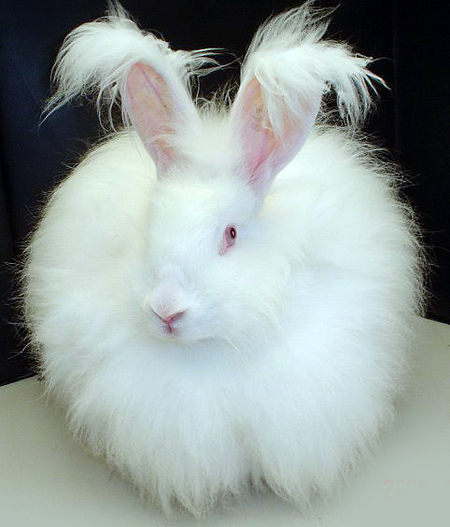
Grooming needs vary by breed but matter for every rabbit. Because they groom themselves and cannot vomit hairballs like cats, swallowed fur can contribute to dangerous gut blockages, so brush your rabbit at least weekly and daily during the heavy seasonal moults. Long-haired and wool breeds such as English Angora, Lionhead, and Jersey Wooly need frequent, sometimes daily, grooming to prevent painful matting. Never bathe a rabbit in water, which terrifies them and can cause shock; spot-clean soiled fur instead. Trim the nails every four to six weeks, and check teeth and the bottom regularly for overgrowth or soiling.
Socialisation is central to a rabbit's wellbeing. These are intensely social animals that can become lonely and withdrawn when kept alone, so many people keep a bonded, neutered pair. Whether solo or paired, sit at their level, offer treats by hand, and let the rabbit approach you rather than grabbing or chasing it, which reads as a predator attack. Most rabbits dislike being lifted, so when you must, support the chest and hindquarters fully and hold them close and low to the ground. With patient, gentle daily contact, rabbits recognise their owners, come when called, and form genuinely affectionate bonds.
6. Health & Veterinary Care
Rabbits need a veterinarian who specialises in exotics or 'rabbit-savvy' medicine, not a general cat-and-dog clinic, so identify one before you bring your rabbit home. Schedule an initial health exam and then an annual wellness check (twice yearly for seniors over five or six), during which the vet examines the teeth, weight, and overall condition. Spaying or neutering is strongly recommended: it prevents the very high rate of uterine cancer in unspayed females, reduces aggression and territorial spraying, allows safe bonding, and generally leads to longer, calmer lives. In many regions, an annual RHDV2 vaccine (and where relevant, a myxomatosis vaccine) is now recommended or essential to protect against fatal viral diseases; ask your vet what is advised locally.
The single most important condition to understand is gastrointestinal (GI) stasis, a life-threatening emergency in which the gut slows or stops. It is often triggered by dental problems, a low-fibre diet, dehydration, pain, or stress. Warning signs include not eating, producing few or no droppings, a hunched posture, loud tooth grinding, and lethargy. A rabbit that has not eaten or passed stool for eight to twelve hours is a genuine emergency and must see a vet immediately, as prompt fluids, pain relief, and gut-motility treatment are often life-saving. Do not 'wait and see' with a rabbit that stops eating.
Other common problems include overgrown or misaligned teeth (which cause drooling, weight loss, and stop eating), respiratory infection or 'snuffles' (sneezing and nasal discharge), sore hocks from wire or dirty flooring, ear mites, flystrike in soiled or overweight rabbits during warm weather, and heatstroke. Because rabbits are prey animals, they instinctively hide illness until it is advanced, so subtle changes matter enormously. Contact your vet promptly for any loss of appetite, changes in droppings, laboured breathing, head tilt, unusual lumps, or a sudden drop in activity. Keeping an emergency-vet contact and a small first-aid plan ready can make the difference between life and death.
7. Cost of Ownership
Rabbits are often marketed as cheap pets, but realistic costs surprise many first-time owners. Initial setup is the largest one-time expense: a spacious enclosure or exercise pen, a litter box, food and water bowls, a hay feeder, chew toys, a carrier, and rabbit-proofing supplies typically add up to a moderate-to-significant sum. If your rabbit is not already spayed or neutered, budget separately for that procedure, which is a substantial one-time veterinary cost but pays for itself in prevented disease. Adoption fees from a rescue are modest and often include an already-neutered, vet-checked rabbit, making adoption the most economical route.
Ongoing monthly costs are dominated by fresh hay, leafy greens, and a small amount of quality pellets, plus litter and replacement bedding. Hay in particular is consumed in large quantities and is a steady recurring expense. Enrichment items such as cardboard and willow toys are inexpensive but need regular replacement because rabbits destroy them, which is exactly the point. Overall, feeding and bedding a single rabbit each month lands in a low-to-moderate range, roughly comparable to a small cat, and keeping a bonded pair naturally increases food and litter costs.
The biggest variable is veterinary care. Beyond the annual wellness exam and any recommended vaccines, rabbits are prone to sudden emergencies such as GI stasis and dental disease, and exotics-vet visits and procedures are generally pricier than routine cat-and-dog care. Prudent owners set aside an emergency fund or consider exotic-pet insurance, because a single stasis episode or dental surgery can cost more than a year of ordinary upkeep. Factoring in an 8-to-12-year lifespan, the lifetime cost of a well-cared-for rabbit is significant, so budget honestly before committing.
8. Common Beginner Mistakes
First, feeding too little hay and too many pellets or treats. Hay should be 80 to 90 percent of the diet and available around the clock, yet many beginners fill the bowl with pellets or sugary muesli mixes and offer hay as an afterthought. This leads to obesity, overgrown teeth, selective eating, and GI stasis. Make hay the star, keep pellets to a measured portion, and treat fruit as a rare reward.
Second, housing rabbits in cages that are far too small and denying enough exercise. A rabbit confined to a tiny hutch all day suffers physically and mentally, developing weak muscles, spinal problems, and boredom-driven behaviours. Rabbits need a large enclosure plus several hours of daily free-roaming time in a rabbit-proofed space. Third, not spaying or neutering. Beyond preventing accidental litters, it dramatically lowers cancer risk in females, curbs spraying and aggression, and makes litter-training and bonding far easier.
Fourth, mishandling and misreading rabbits. Because they are prey animals, chasing, grabbing, or scooping them up from above feels like a predator strike, breaking trust and causing panic that can even lead to spinal injury if they kick. Sit low, go slow, and let the rabbit come to you. Fifth, treating a rabbit that stops eating as a minor issue. A rabbit that refuses food or stops passing droppings for several hours may be in life-threatening GI stasis, and delaying a vet visit is one of the deadliest mistakes an owner can make. When in doubt, call a rabbit-savvy vet immediately rather than waiting.
❓Frequently asked questions
Do rabbits need to live in pairs, or can they be kept alone?
Rabbits are highly social animals and most are happiest with a bonded companion, so many experts recommend keeping a neutered pair. A single rabbit can do well if you provide plenty of daily interaction and enrichment yourself, effectively becoming its companion, but it will need far more of your time and attention. If you do get a second rabbit, both should be spayed or neutered and introduced gradually through a proper bonding process, since unbonded rabbits can fight seriously.
Can rabbits be litter-trained?
Yes. Rabbits are naturally clean and tend to choose one corner as their toilet, which makes litter-training quite achievable. Place a litter box filled with paper-based pellet litter and topped with hay in the corner your rabbit favours, and it will often use it readily; putting some of its droppings in the box at first helps. Spaying or neutering dramatically improves reliability, because unaltered rabbits mark territory with scattered droppings and urine. Expect the occasional stray pellet, especially during adolescence, but a healthy, neutered adult can be very tidy.
How long do pet rabbits live?
A well-cared-for indoor rabbit typically lives 8 to 12 years, and some reach their early teens. Longevity depends heavily on a proper hay-based diet, daily exercise, safe indoor housing, spaying or neutering, and regular checkups with a rabbit-savvy vet. Smaller and dwarf breeds often live toward the longer end, while very large breeds like Flemish Giants tend to have somewhat shorter lifespans. Because this is a decade-long commitment, it should be treated with the same seriousness as adopting a dog or cat.
Why is my rabbit not eating, and is it an emergency?
A rabbit that suddenly stops eating should always be taken seriously and is very often a genuine emergency. Rabbits must eat continuously to keep their digestive system moving, and a loss of appetite is a classic sign of GI stasis, a potentially fatal condition where the gut slows or stops. If your rabbit has not eaten or passed droppings for eight to twelve hours, or is also hunched, grinding its teeth, or lethargic, contact a rabbit-savvy or exotics vet immediately rather than waiting it out. Common underlying causes include dental problems, a low-fibre diet, dehydration, pain, or stress, and prompt veterinary treatment is often life-saving.
Browse these pets







Sources: American Kennel Club / breed standards · The Cat Fanciers' Association · PDSA / RSPCA pet care guides · Spruce Pets care references