🐇 English Angora
📊Overview
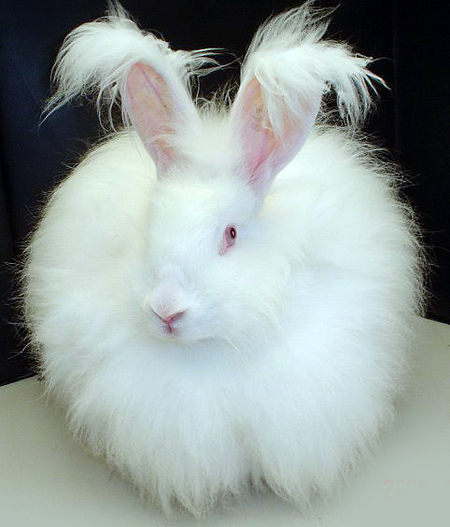
A gentle, fluffy breed covered head-to-toe in long wool, including furnishings on the face and ears. It is one of the most high-maintenance rabbits: without near-daily grooming its coat mats badly and it can develop life-threatening wool block in the gut.
⚡Ownership snapshot
👍 Pros
- Exceptionally soft, luxurious wool that can be harvested
- Calm, docile, and very affectionate temperament
- Quiet and low-energy — well suited to a peaceful home
- Bonds closely with owners through frequent handling
👎 Cons
- Extremely high-maintenance coat — grooming multiple times a week
- Serious wool-block risk if grooming lapses
- Very sensitive to heat; needs a cool indoor environment
- Not a good fit for busy owners or young children
🧭Temperament & needs
📈Compared with other Rabbits
🧠Personality & temperament
English Angoras are calm, gentle, and famously docile — a temperament that has to be, since they tolerate the frequent handling their coat demands. They tend to be affectionate and enjoy quiet lap time, but they are not high-energy explorers; they prefer a placid, low-stimulation routine and can be a little reserved with strangers or rowdy households.
📜Origin & background
The Angora rabbit traces back to Ankara (historically 'Angora') in present-day Turkey and was brought to France around 1723, prized for its exceptionally soft wool. The English Angora was later refined in Britain as the smallest of the Angora types, distinguished by the heavy facial 'furnishings' of wool on its ears and face.
🏃Exercise & enrichment
Despite their placid nature they still need daily out-of-cage time — a few hours in a safe, clean, dry space to hop, stretch, and prevent boredom and obesity. Keep exercise areas free of dust, hay debris, and damp bedding, since anything that clings to the wool leads to matting.
✂️Grooming & hygiene
This is the most demanding coat in the rabbit world: expect to gently brush and detangle the wool 2-3 times a week at minimum, and daily during a molt, to prevent painful mats. The full coat should also be clipped or plucked roughly every 90-120 days, both to harvest the wool and to reduce the amount the rabbit ingests when self-grooming.
🍽️Diet & feeding
The foundation is unlimited grass hay (timothy or orchard), which is the single most important safeguard against wool block by keeping the gut moving. Add a small measured portion of high-fiber pellets and a handful of leafy greens daily, and always provide fresh water.
🏠Housing & environment
Provide a spacious, well-ventilated pen or x-pen with a solid (not wire) floor to protect the feet, and use dust-free bedding that won't tangle into the coat. Keep the enclosure indoors in a cool, dry spot, as their heavy wool makes them very prone to heat stress.
🩺Health & lifespan
The signature risk is wool block (GI stasis caused by ingested wool), which can be fatal — daily hay, grooming, and regular clipping are the core defenses. They are also very heat-sensitive and prone to the facial wool overgrowing into the eyes, causing irritation, and to sore hocks on wire floors. With diligent care they typically live 7-12 years.
🎓Training & socialization
They can be litter-trained and taught to sit calmly for grooming, but the real priority is early, gentle handling desensitization so they accept lifelong brushing without stress.
💰Cost of ownership
The purchase price is moderate to high for a purebred, but the true cost is ongoing: quality hay, high-fiber pellets, and grooming tools (slicker brushes, blower, clippers) add up. Budget also for higher-than-average vet visits, since wool-related GI issues and heat stress are common reasons Angora owners see an exotics vet.
💚Who it's good for
Only for dedicated owners ready to commit to daily grooming and wool care.
❓Frequently asked questions
How often do I really have to groom an English Angora?
Plan on gentle brushing 2-3 times a week at a minimum, daily during molts, plus a full clip or pluck of the coat about every 90-120 days. Skipping sessions quickly leads to painful mats and raises the risk of a life-threatening wool block.
Is an English Angora a good pet for beginners?
Their sweet temperament is beginner-friendly, but the coat is not — this is one of the most labor-intensive rabbits to keep. It's best for someone who genuinely enjoys grooming and has time for it several times a week.
Can I keep an English Angora outdoors?
It's not recommended. Their dense wool makes them highly prone to heat stroke in warm weather, and outdoor dirt and damp cause constant matting — they do far better in a cool, clean indoor space.
🔎People also ask
Similar pets



Similar pets from other species


Sources: American Kennel Club / breed standards · The Cat Fanciers' Association · PDSA / RSPCA pet care guides · Spruce Pets care references