🐰 Mini Lop

📊Overview
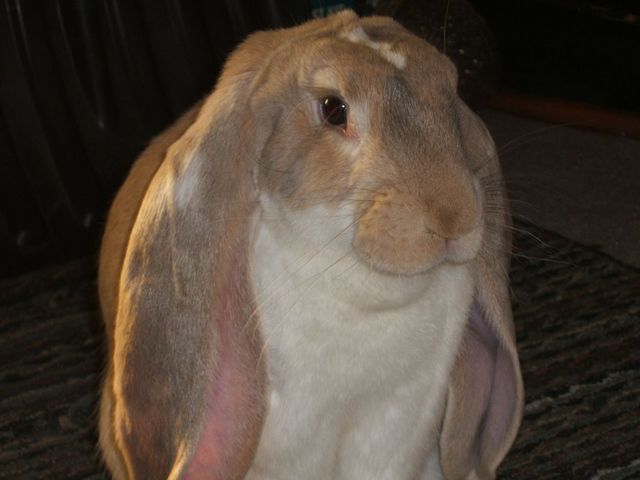
A small, stocky lop-eared breed known for being cuddly, playful, and very people-oriented. It's a great companion, but it can be food-motivated and prone to obesity if overfed treats or pellets.
⚡Ownership snapshot
👍 Pros
- One of the friendliest, most affectionate rabbit breeds
- Compact size fits smaller homes
- Excellent, gentle family pet — great with kids
- Smart and easy to litter-train
👎 Cons
- Prone to dental issues from their flat face
- Lop ears are more prone to ear infections
- Energetic — needs daily out-of-cage playtime
- Can become bored or destructive if under-stimulated
🧭Temperament & needs
📈Compared with other Rabbits
🧠Personality & temperament
The Mini Lop is prized for having one of the sweetest, most affectionate temperaments of any rabbit, forming strong bonds and often seeking out cuddles and lap time. Playful, curious, and people-oriented, they are lively when out to explore yet settle into calm companions, making them a favourite family pet.
📜Origin & background
The Mini Lop originated in Germany in the 1950s, where it was known as the 'Klein Widder' (little lop), and was brought to the United States by breeder Bob Herschbach in the early 1970s. It was renamed the Mini Lop and officially recognized by the American Rabbit Breeders Association (ARBA) in 1980.
🏃Exercise & enrichment
Though compact, Mini Lops are energetic and need at least a few hours of daily free-roam time to binky, hop, and explore outside their enclosure. Tunnels, cardboard castles, and foraging toys keep their curious minds busy and prevent boredom-related chewing.
✂️Grooming & hygiene
Their short, dense coat only needs brushing about once a week, rising to two or three times a week during their seasonal molt. They keep themselves quite clean, so bathing is unnecessary and can even be harmful — spot-cleaning and nail trims are all that's usually required.
🍽️Diet & feeding
Offer unlimited grass hay as the dietary staple (roughly 80% of intake), plus a daily handful of washed leafy greens and a small measured portion of pellets. Keep fresh water available at all times and limit fruit or sugary treats to avoid weight gain and digestive problems.
🏠Housing & environment
A small-to-medium breed, the Mini Lop still needs a roomy enclosure or a rabbit-proofed area far larger than a typical pet-store cage, with a solid floor and cozy hiding spot. They thrive indoors at moderate temperatures and love having a bonded companion or plenty of human interaction.
🩺Health & lifespan
Mini Lops typically live 7-10 years with good care. The main breed-related concern is dental disease: their short, flat faces can cause tooth misalignment (malocclusion) that leads to overgrown teeth needing vet attention. Like all rabbits they are also at risk of GI stasis, ear infections (common in lop breeds), and obesity, all largely preventable with a hay-based diet and exercise.
🎓Training & socialization
Intelligent and treat-motivated, Mini Lops litter-train readily and can learn their name, simple tricks, and to come when called with patient, reward-based practice. Gentle daily handling from a young age helps them stay confident and sociable.
💰Cost of ownership
Initial costs are moderate, covering the rabbit, a suitable enclosure, accessories, and spay/neuter surgery. Ongoing expenses are relatively affordable for a rabbit — mainly hay, greens, pellets, and bedding — though routine and emergency exotic-vet visits should always be budgeted for.
💚Who it's good for
Perfect for families and beginners wanting a friendly, affectionate lap rabbit.
💡Great match for
❓Frequently asked questions
Are Mini Lops good for children?
Yes — their sweet, gentle temperament makes them one of the best family rabbits, though young children should always handle them under adult supervision to avoid injuring the rabbit.
How long do Mini Lops live?
With a good hay-based diet, exercise, and veterinary care, Mini Lops typically live 7-10 years.
Can Mini Lops live alone?
They can, but as social animals they do best with a bonded rabbit companion or plenty of daily human interaction to prevent loneliness and boredom.
🔎People also ask
Similar pets



Similar pets from other species


Sources: American Kennel Club / breed standards · The Cat Fanciers' Association · PDSA / RSPCA pet care guides · Spruce Pets care references