🐜 Formica (wood/field ants)
📊Overview
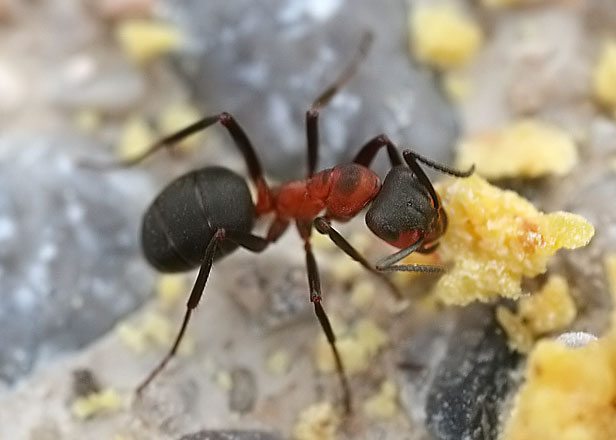
Formica (wood and field ants) are fast, bold, and mesmerizing foragers, but they are a clear step up from beginner species: many are semi-claustral (the founding queen must be fed) and some are temporary social parasites that need workers of a host species to start a colony. Expect readily biting workers that spray formic acid, a need for winter hibernation, and founding requirements you must research for the exact species before buying.
⚡Ownership snapshot
👍 Pros
- Mesmerizing colony/superorganism behavior to watch
- Very low ongoing food cost
- Silent and needs no daily attention
- Genuinely educational for all ages
👎 Cons
- Escape-prone and can bite/spray formic acid
- Requires a real cool winter hibernation
- Slow, failure-prone founding stage
- Purely hands-off — never handleable
🧭Temperament & needs
📈Compared with other Pet ants
🧠Personality & temperament
Keeping Formica means tending an entire colony as a single 'superorganism' rather than an individual pet — the reward is watching hundreds of workers forage, tend brood, and organize themselves around one egg-laying queen. They are an observation animal, endlessly busy and fascinating behind glass, but they never recognize or bond with a keeper. Expect an intensely active little society that reacts to disturbance by flooding the nest with defensive workers.
📜Origin & background
Formica is a large genus of wood, field, and mound ants native to the temperate Northern Hemisphere, especially Europe, Asia, and North America. Wood ants (the Formica rufa group) are famous for building large thatched mound nests on woodland floors.
🏃Exercise & enrichment
Colonies are highly active — constantly foraging, nest-building, and hauling brood — and need a connected 'outworld' arena where workers can roam, scavenge, and explore. Vary where you place food and add climbing décor, cork, and leaf litter to keep the colony working, since a busy colony is a healthy one.
✂️Grooming & hygiene
Maintenance means keeping the nest hydrated to the right moisture gradient, removing food scraps and dead workers from the outworld, and staying vigilant against mold, which can wipe out a colony quickly. You clean the outworld and wipe the escape barrier, but never 'clean' the nest itself, as that would destroy the brood.
🍽️Diet & feeding
Provide a carbohydrate source — sugar water or a drop of honey — for the adult workers' energy, plus insect protein such as fruit flies, small crickets, or roach pieces to raise brood. Offer small amounts every two to three days and promptly remove uneaten insects before they rot or mold.
🏠Housing & environment
A colony needs a two-part setup: a nest — a ytong (aerated-concrete), plaster, or acrylic formicarium with a water reservoir — connected by tube to an 'outworld' foraging box. The outworld walls must carry an escape barrier of PTFE/Fluon or talc with every seam sealed, because escape is the single biggest keeper headache. These are temperate ants, so most species require a genuine cool winter hibernation (diapause) at roughly 5-15°C for two to four months each year.
🩺Health & lifespan
The most common failures are nest dehydration, mold outbreaks, and loss of the queen — if she dies, the whole colony is doomed because there is no replacement. Founding is a fragile, slow stage where many queens fail, and skipping the winter diapause tends to burn a temperate colony out over time. Mites and brood starvation are other risks; the queen may live 5-15 years while individual workers last only about a year.
🎓Training & socialization
Ants cannot be tamed or handled — this is strictly a look-don't-touch, behind-glass pet. Formica readily bite and spray formic acid when disturbed, so all interaction is observation and careful feeding, never contact.
💰Cost of ownership
Startup is moderate: a mated queen or small founding colony is inexpensive, but a decent formicarium plus an outworld, tubing, and barrier fluid add up. Ongoing costs are very low, since sugar and a few feeder insects go a long way.
💚Who it's good for
Intermediate keepers ready to meet species-specific founding needs and handle active, defensive ants.
💡Great match for
❓Frequently asked questions
Can I start a colony from a single ant or a few workers?
No — you need a mated queen (caught after a nuptial flight or bought), because only she lays eggs. Workers alone cannot produce more ants, so a queenless group simply dwindles and dies out.
Do pet ants really need to hibernate?
Yes, for temperate Formica. A cool winter diapause of a couple of months is part of their natural cycle, and colonies kept warm year-round often decline or fail to thrive over time.
What's the hardest part of keeping ants?
Containment. Ants exploit the tiniest gaps, so a reliable escape barrier (Fluon/PTFE or talc) and well-sealed connections are essential — plus patience through the slow, failure-prone founding stage.
🔎People also ask
Similar pets


Similar pets from other species


Sources: American Kennel Club / breed standards · The Cat Fanciers' Association · PDSA / RSPCA pet care guides · Spruce Pets care references