🐸 Poison Dart Frog Care: The Complete Guide
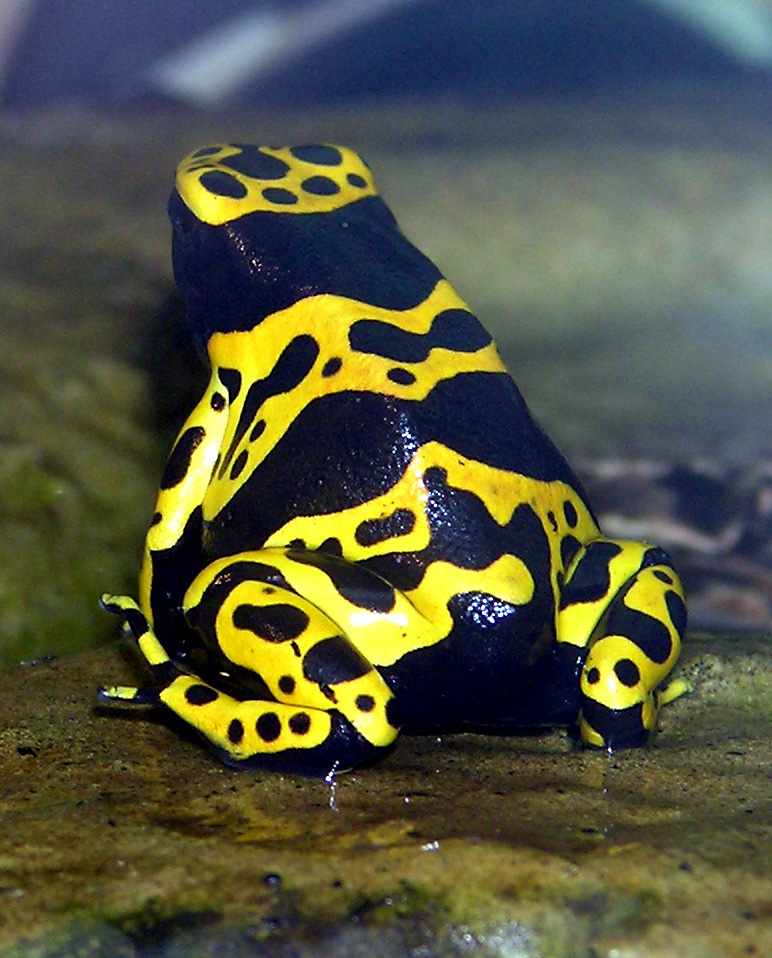
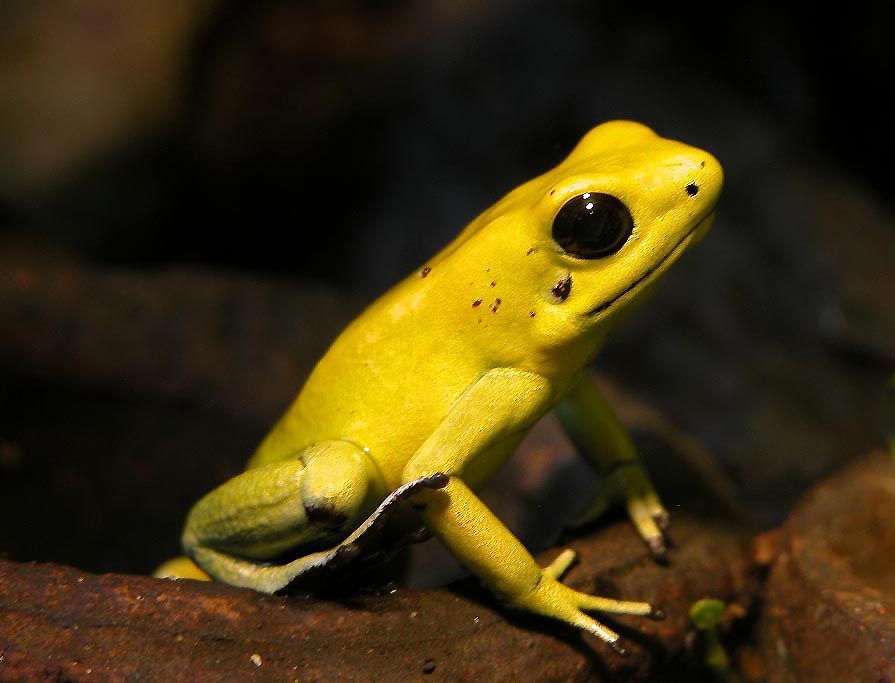
Poison dart frogs are small, jewel-bright amphibians that thrive as living displays in a planted terrarium rather than as hands-on pets. Captive-bred individuals are non-toxic and remarkably hardy for their size, but they demand stable humidity, cool temperatures, a steady supply of tiny live insects, and a keeper who is content to admire rather than handle them. This guide covers six popular kinds — the Dyeing dart frog (Dendrobates tinctorius), Green and black dart frog (Dendrobates auratus), Blue poison dart frog (Dendrobates tinctorius "azureus"), Phantasmal dart frog (Epipedobates), Bumblebee or yellow-banded dart frog (Dendrobates leucomelas), and Golden dart frog (Phyllobates terribilis) — and what it honestly takes to keep them well.
1. Is a Poison dart frog right for you?
Poison dart frogs are a "look, don't touch" pet, and that reality decides whether they suit you more than any other factor. They are active, bold, and endlessly watchable during the day — one of the few amphibians that is diurnal and often out in the open — but they are not animals you cuddle, hold, or take out of the tank. Their skin is delicate and permeable, so even clean human hands transfer oils, salts, and residues that harm them. If your idea of a pet involves handling and interaction, a dart frog will disappoint you; if you love the idea of a self-contained slice of rainforest on your shelf, few pets are more rewarding.
The upside is that they are long-lived, quiet, odorless, take up little space, and are genuinely mesmerizing to observe hunting, calling, and interacting. Species like the Green and black dart frog and the Bumblebee dart frog are especially forgiving and are widely recommended as first frogs, while the Dyeing and Blue dart frogs are stout, confident, and showy. A well-kept dart frog can live 8 to 15 years or more, so this is a decade-long commitment, not an impulse purchase.
The honest downside is the daily discipline they require. You must culture or reliably buy tiny live feeders (fruit flies and springtails) every week, keep humidity high and temperatures cool and stable, and never let the enclosure overheat — temperatures above roughly 28°C/82°F can be fatal. They are also expert escape artists through the smallest gap, and they are sensitive to poor air and water quality. If you travel constantly, cannot maintain a live-food supply, or want a hands-on companion, this is not the animal for you.
2. Choosing a healthy Poison dart frog
Buy captive-bred, full stop. This is the single most important decision you will make. Wild-caught dart frogs are often stressed, parasitized, carry disease, and contribute to the decline of wild populations — and importantly, wild frogs can be genuinely toxic because their poison comes from a wild diet of specific ants, mites, and other arthropods. Captive-bred frogs raised on fruit flies never acquire those dietary alkaloids and are effectively non-toxic, as well as healthier and better adjusted to terrarium life. A reputable breeder will happily tell you the frog's age, lineage, and morph, and will not mix unrelated locales or morphs.
When evaluating an individual, look for a frog that is alert, plump, and active, with clear bright eyes, smooth unblemished skin, and full rounded toes and limbs. It should sit upright and move with purpose, not sit hunched with closed eyes. Avoid frogs that are thin with visible hip bones or a "peanut" head-to-body look, have cloudy eyes, reddened or discolored skin on the belly and legs (a sign of "red-leg" bacterial infection), missing toes, or a bloated, fluid-filled body. Ask to see it eat if possible; a healthy dart frog is an eager hunter. Species-wise, the Green and black, Bumblebee, and Dyeing/Blue dart frogs are the most beginner-friendly, while the Golden dart frog (Phyllobates terribilis) and Phantasmal dart frog are best once you have some experience.
Check the legality before you buy. Dart frogs are legal to keep in most of the United States, the UK, and much of Europe, but rules vary: some jurisdictions restrict or require permits for amphibians, and CITES governs international movement of many Dendrobatidae. Always buy from a seller who can document captive-bred origin, keep your receipt and any paperwork, and confirm your local and national regulations before committing. Never release a dart frog into the wild under any circumstances — it is illegal in most places and an ecological hazard.
3. Housing & enclosure setup
Dart frogs need a tall, planted, tightly sealed glass terrarium — a bioactive vivarium is the gold standard. For a single frog or a pair, a minimum of roughly 45x45x45 cm (18x18x18 inches, about 65 litres/17 US gallons) is appropriate; a trio or small group is better in a 60x45x45 cm (24x18x18 inch) enclosure or larger. More ground area matters more than height for these terrestrial species, though the arboreal-leaning Dyeing and Blue frogs appreciate some vertical structure. The lid and any vents must be escape-proof — dart frogs squeeze through astonishingly small gaps — and a front-opening terrarium with a fine mesh or glass top and a sliding, latching door is ideal.
Build the substrate in layers: a false bottom or drainage layer of clay balls or gravel (2.5 to 5 cm) topped with a mesh barrier, then a deep organic "ABG-style" mix of coco fiber, orchid bark, sphagnum, tree-fern fiber, and charcoal (5 to 8 cm). Cover the surface with leaf litter (dried magnolia or oak) and live cushion moss; this both looks natural and hosts a springtail and isopod cleanup crew that keeps the vivarium bioactive. Add cork bark hides, broadleaf plants (bromeliads, pothos, ferns), and hardscape so every frog has multiple sightlines and retreats. Light the tank on a 10 to 12 hour cycle with a low-output LED or T5 plant light; UVB is not strictly required if diet is well supplemented, though low-level UVB can be beneficial.
Get the climate exactly right, because this is where most keepers fail. Aim for daytime temperatures of about 22 to 25°C (72 to 78°F) with a few degrees' drop at night, and never let the tank exceed roughly 28°C (82°F) — dart frogs are cool-forest animals and heat kills them quickly, so most homes need no supplemental heat and instead need protection from getting too warm. Keep humidity at 80 to 100%, maintained by misting once or twice daily (a manual sprayer or an automated misting system) and by the drainage layer holding a small reservoir; the substrate should be moist but never a swamp. Provide a shallow water dish or a small water feature with clean, dechlorinated or reverse-osmosis water only — never untreated tap water, since chlorine and chloramine are absorbed through the skin. A small computer fan or cracked vent prevents stagnant, mold-prone air while preserving humidity.
4. Feeding & diet
Poison dart frogs are insectivores that eat small, live, moving prey, and their entire diet is built around tiny feeder insects. The staple for every species here is flightless fruit flies (Drosophila melanogaster and the larger D. hydei), which you can buy but should ideally culture at home so you always have a supply. Springtails and dwarf isopods, which also live in the substrate, are eaten readily and are especially important for froglets and the smaller Phantasmal dart frog. Larger, robust species like the Dyeing, Blue, Golden, and Bumblebee dart frogs can also take pinhead crickets, aphids, bean beetles, and rice flour beetle larvae as variety once they are grown.
Feed adults roughly every one to two days, offering only as many flies as the frogs will clean up within a few hours — a good rule is to dust and drop in a modest pinch and watch them hunt, rather than flooding the tank. Growing froglets and juveniles need daily feeding to develop properly. Because a captive diet of fruit flies is nutritionally incomplete, you must dust the feeders at nearly every feeding with a high-quality amphibian vitamin and calcium supplement (with vitamin A and D3), alternating a calcium-plus-D3 powder with a multivitamin. Skipping supplementation is one of the leading causes of illness and early death, so treat it as non-negotiable.
Gut-load your feeder insects before offering them by keeping fruit fly and cricket cultures on nutritious media so the frogs get vitamins secondhand. Always match prey size to the frog — food should be no wider than the space between the frog's eyes — and remove any uneaten insects (especially crickets, which can nibble a resting frog). Provide clean water at all times through misting and a shallow dish, since dart frogs absorb water through their skin rather than drinking in the usual sense. A varied, dusted, appropriately sized live diet keeps colors vivid and frogs long-lived.
5. Daily & weekly care routine
The daily routine is short but must be consistent. Each day, mist the enclosure once or twice to keep humidity high and the leaf litter damp, check that temperatures are in the safe cool range, and do a quick head-count and health glance — are all frogs out, alert, plump, and moving normally? Feed dusted fruit flies every one to two days for adults (daily for froglets), and after a few hours confirm the food has been eaten and no feeders are swarming. Top up the water dish with dechlorinated or RO water as needed. This whole check takes only a few minutes once you have a rhythm.
Weekly and monthly tasks keep the vivarium stable. Weekly, wipe the front glass, remove any visible mouldy or decaying material, spot-clean, and check that your misting system, drainage layer, and cleanup crew (springtails and isopods) are functioning — a healthy bioactive setup largely cleans itself, which is why the microfauna matter. Roughly monthly, trim overgrown plants, replenish leaf litter as it breaks down, replace or top up supplement powders (they lose potency over time), and inspect seals, vents, and the lid for any gap a frog could exploit. Maintain and clean your feeder cultures on a regular schedule so you never run short of food.
On handling: essentially don't. Dart frogs should be moved only when necessary — for tank maintenance, health checks, or transport — and then by gently herding them into a clean deli cup rather than grabbing them, ideally with clean, damp, powder-free gloves to protect their permeable skin from your skin oils and salts. There is no "taming" or petting a dart frog. Enrichment comes from the environment, not interaction: a densely planted, naturalistic vivarium with varied hides, live plants, moving water, and live prey to hunt gives them everything they need to display natural behavior, which is exactly what makes them so engaging to watch.
6. Health & common problems
Most dart frog health problems trace back to husbandry, especially humidity, temperature, water quality, and diet. A note on shedding: unlike reptiles, frogs shed their thin skin frequently and usually eat it, so you rarely see it — you should not expect a reptile-style molt, and a frog that appears to be struggling with dull, sloughing, or excessively sticky skin, or that sits with skin peeling and looking unwell, is more likely suffering from dehydration, poor humidity, or a bacterial or fungal infection than a normal shed. Warning signs to act on include lethargy, sitting hunched with eyes closed, refusing food, weight loss, a bloated fluid-filled body (edema/"bloat"), reddened skin on the belly and thighs (red-leg, a serious bacterial infection), or discolored patches.
The classic husbandry diseases are metabolic bone disease from insufficient calcium and vitamin D3 (causing weak limbs, spinal deformity, and difficulty moving — prevented by diligent dusting), dehydration and overheating from humidity or temperature slipping out of range, and "short tongue syndrome" or spindly leg in froglets from vitamin A and nutritional deficiencies. Ammonia or nitrite buildup from a dirty enclosure and chlorine from untreated tap water both poison frogs through their skin. The most feared infectious threats are chytrid fungus (Batrachochytrium) and ranavirus, which is why quarantining new arrivals separately for several weeks and never mixing wild-caught animals into a collection are essential biosecurity steps.
Amphibians hide illness well and decline fast, so early intervention matters. If a frog stops eating, bloats, develops red or discolored skin, loses weight, or shows abnormal posture or movement, isolate it, review and correct temperature, humidity, water, and diet immediately, and seek a veterinarian who specifically treats amphibians or exotics — a general small-animal vet often cannot help. Dart frog medicine is specialized, dosing is delicate, and conditions like chytrid, severe red-leg, or bloat require professional diagnosis and prescription treatment. Have an exotics/herp vet identified before you get your frog, not after it is sick, and never attempt to medicate a tiny amphibian with guesswork.
7. Cost of ownership
The upfront cost is dominated by the enclosure and its setup rather than the frog. A proper front-opening glass terrarium, drainage and substrate layers, leaf litter, live plants, cork bark and hardscape, lighting, a misting system or good sprayer, a thermometer/hygrometer, and a starter cleanup crew of springtails and isopods together represent a moderate-to-significant one-time investment — the vivarium build is typically the largest single expense and can easily exceed the price of the animal several times over. The frogs themselves range from modest for common captive-bred Green and black or Bumblebee dart frogs to considerably more for premium morphs of Dyeing, Blue, or Golden dart frogs; buying a small group, as these frogs often do best in numbers, multiplies that.
Ongoing costs are relatively low but constant. The recurring expenses are feeder insect cultures (fruit flies, springtails, isopods) or fresh feeders bought regularly, vitamin and calcium supplements that must be replaced periodically as they lose potency, dechlorinated or reverse-osmosis water, replacement leaf litter and the occasional plant, and modest electricity for lighting and misting. Because you will culture most of your own food, the monthly food cost is genuinely small compared with most pets, but it never stops — there is no skipping a week.
Budget also for the unglamorous extras: quarantine equipment for new or sick frogs, seasonal cooling in warm climates (a small fan, room air conditioning, or a cool room) since overheating is the number-one killer, and — most importantly — an emergency fund for exotic veterinary care. A single visit to an amphibian-competent exotics vet, plus diagnostics and medication, can cost far more than the frog and its whole setup, and delaying care to save money usually ends badly. Treating dart frogs as a long-term, decade-scale commitment with a realistic vet fund is the financially honest way to keep them.
8. Common beginner mistakes
First, letting the tank get too hot. New keepers often assume tropical frogs want warmth and add heat lamps or place the tank in a sunny spot — but dart frogs are cool-forest animals, and temperatures above about 28°C (82°F) can kill them within hours. Most homes need no supplemental heat at all; the real task is preventing overheating, so keep the enclosure out of direct sun and away from heat sources and monitor it in summer.
Second, underestimating escapes and food logistics. Dart frogs slip through the tiniest gap in a lid, vent, or door, and a loose fruit fly culture will infest a room — so an escape-proof, tightly sealed enclosure and disciplined feeder husbandry are essential from day one. Related to this, third: skipping or neglecting vitamin and calcium dusting. A pure fruit-fly diet is nutritionally incomplete, and failing to dust feeders at almost every feeding leads directly to metabolic bone disease and early death; supplements also expire, so old powder is nearly as bad as none.
Fourth, handling the frogs. Beginners want to hold their pet, but human skin oils, salts, soap, and lotion residues are absorbed through the frog's permeable skin and cause real harm — dart frogs are strictly for observation, and any necessary moving should be done by cup or with clean damp gloves. Fifth, using untreated tap water and buying wild-caught frogs. Chlorine and chloramine in tap water poison amphibians through the skin, so only dechlorinated or RO water should ever touch the tank, and wild-caught animals bring stress, parasites, disease, and potential real toxicity — insisting on documented captive-bred frogs and clean water prevents a large share of the problems new keepers face.
❓Frequently asked questions
Are pet poison dart frogs actually poisonous?
Captive-bred poison dart frogs are effectively non-toxic. Their poison in the wild comes from a specialized diet of certain ants, mites, and other arthropods that contain toxic alkaloids; frogs raised in captivity on fruit flies never acquire those compounds. That said, all amphibians have delicate, permeable skin and should not be handled — for the frog's protection, not yours. Wild-caught dart frogs can be genuinely toxic and should be avoided entirely, which is one more reason to buy only documented captive-bred animals.
Can I hold or handle my dart frog?
No — dart frogs are a display animal, not a hands-on pet. Their thin, permeable skin readily absorbs the oils, salts, soaps, and lotions on human hands, which can sicken or kill them, and handling stresses them badly. Move them only when necessary (for maintenance, health checks, or transport) by gently herding them into a clean cup or using clean, damp, powder-free gloves. All of your interaction should be observing them in a well-planted vivarium, where they are active and fascinating to watch.
What do poison dart frogs eat, and is the feeding really that demanding?
They eat small live insects — primarily flightless fruit flies, plus springtails and dwarf isopods, with larger species also taking pinhead crickets and other tiny feeders. Feeders must be dusted with calcium and vitamin supplements at nearly every feeding, and adults eat every one to two days while froglets eat daily. It is not difficult, but it is relentless: you cannot feed pellets or skip a week, so most keepers culture their own fruit flies and springtails at home to guarantee a constant supply. If you can't commit to a steady live-food routine, this isn't the right pet.
Are poison dart frogs good for beginners?
They can be, provided you go in with realistic expectations. They are hardy for their size and don't need heating in most homes, but they require stable high humidity, cool temperatures, an escape-proof planted vivarium, and a constant supply of dusted live insects — and they can't be handled. Beginner-friendly choices include the Green and black dart frog and the Bumblebee (yellow-banded) dart frog, with the stout Dyeing and Blue dart frogs also popular; the Golden and Phantasmal dart frogs are better once you have some experience. Always start with captive-bred frogs, confirm your local legality, and have an amphibian-savvy exotics vet identified before you buy.
Browse these pets


Sources: American Kennel Club / breed standards · The Cat Fanciers' Association · PDSA / RSPCA pet care guides · Spruce Pets care references